
![[Seeds] - Caribbeangardenseed](http://caribbeangardenseed.com/cdn/shop/files/gift-card-gift-card-1_1024x1024_dfa857db-9150-4315-a362-7f0bb3fb9c47_60x28.png?v=1722895789)
CARIBBEAN GARDEN SEED OFFER a huge selection of rare heirloom flower, vegetable and herbs seedsat great prices.
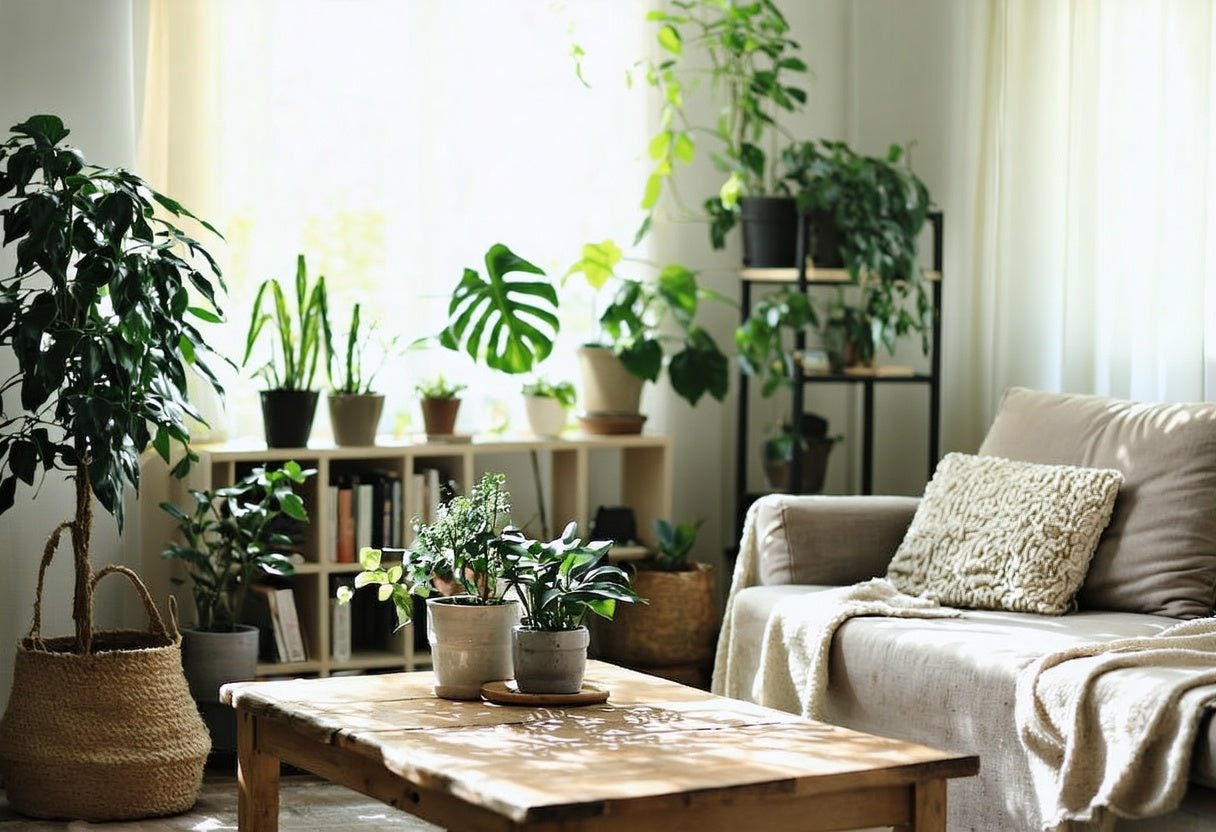
Indoor plants do more than just beautify your living spaces—they actively work to clean the air you breathe. As urban environments become increasingly sealed against the outside world, indoor air quality has emerged as a significant health concern. Fortunately, nature provides an elegant solution through certain houseplants that excel at filtering toxins and releasing fresh oxygen. For home gardeners looking to enhance both their décor and wellness, understanding which plants offer the best air-purifying benefits can transform your indoor growing experience.
These natural air purifiers work silently day and night, removing common household pollutants while adding moisture, oxygen, and natural beauty to your home. Let's explore how plants clean your air and which varieties deserve a special place in your indoor garden.
Plants purify air through a remarkable natural process that's been studied extensively since NASA's Clean Air Study in the late 1980s. Through photosynthesis, plants absorb carbon dioxide and release oxygen, but their air-cleaning abilities go far beyond this basic exchange.
The magic happens primarily through the plant's leaves and root system. Tiny pores called stomata on leaf surfaces absorb airborne toxins, which are then transported to the root zone. There, microorganisms in the soil break down these harmful compounds into harmless substances that either become food for the plant or transform into benign compounds.
This natural filtration system works continuously, with research from the University of Technology Sydney showing that indoor plants can reduce certain air pollutants by 10-15% in a single day. The more plants you have, the more effective this natural purification system becomes.
Modern homes contain surprising amounts of indoor pollutants, many of which come from everyday items:
Formaldehyde: Released from pressed wood products, insulation, paper products, and some synthetic fabrics
Benzene: Found in plastics, detergents, dyes, and cigarette smoke
Trichloroethylene: Present in adhesives, paint removers, and spot removers
Xylene: Emitted from leather, vehicle exhaust, and paints
Ammonia: Common in cleaning products and fertilizers
These volatile organic compounds (VOCs) can cause symptoms ranging from headaches and eye irritation to more serious respiratory issues and cognitive impairment. According to the Environmental Protection Agency, indoor air can be 2-5 times more polluted than outdoor air, making air-purifying plants valuable allies for healthier living spaces.
The snake plant, sometimes called mother-in-law's tongue, is perhaps the most forgiving air purifier you can grow. Its striking vertical leaves with yellow edges make a bold statement in any room while working overtime to clean your air.
What makes snake plants exceptional is their ability to convert carbon dioxide into oxygen at night—unlike most plants that only do this during daylight hours. This makes them perfect bedroom companions for improved air quality while you sleep.
Snake plants excel at removing formaldehyde, benzene, xylene, and trichloroethylene. A study in the Journal of Physiological Anthropology found that having snake plants in your bedroom can help reduce stress and improve sleep quality through improved air purity.
These hardy plants thrive even with minimal care, making them perfect for busy gardeners or those just starting their indoor garden journey.
With its glossy green leaves and elegant white flowers, the peace lily combines beauty with powerful air-cleaning abilities. This popular houseplant effectively removes ammonia, benzene, formaldehyde, and trichloroethylene from your indoor environment.
Peace lilies are particularly effective at removing acetone, which is released into the air from electronics, certain cleaners, and nail polish remover. Their broad leaves increase humidity by up to 5% in your home, which helps counteract the drying effects of heating and air conditioning systems.
One unique feature of peace lilies is their ability to indicate when they need water—their leaves droop visibly before perking back up after watering. This natural signal makes them easier to care for than plants with less obvious watering needs.
For homes with pets, it's important to note that peace lilies are toxic if ingested, so place them in areas inaccessible to curious pets and children.
Spider plants are among the most adaptable and prolific air purifiers available. Their arching leaves with distinctive white stripes produce tiny "spiderettes" that can be propagated into new plants, allowing you to expand your air-purifying collection with minimal effort.
These powerhouse purifiers are especially effective at targeting formaldehyde, which is commonly found in household paper products, synthetic fabrics, and cleaning supplies. According to research from NASA's Clean Air Study, spider plants can remove up to 95% of formaldehyde from a sealed chamber in 24 hours.
Spider plants are non-toxic to pets and children, making them ideal for family homes. Their cascading growth habit makes them perfect for hanging baskets, which maximizes floor space while displaying their architectural form to best advantage.
For new indoor gardeners, spider plants offer immediate success and satisfaction with their rapid growth and easy propagation.
Boston ferns bring a touch of lush woodland charm to indoor spaces while serving as exceptional air purifiers. Their feathery fronds are particularly effective at removing formaldehyde and xylene, common components in gasoline, vehicle exhaust, and many household cleaning products.
These classic houseplants act as natural humidifiers, releasing moisture into the air through a process called transpiration. This added humidity can help alleviate respiratory discomfort, particularly during dry winter months when heating systems reduce indoor humidity.
Boston ferns prefer consistent moisture and indirect light, making them ideal for bathrooms where they can help combat mold and mildew while thriving in the humid environment. Their dramatic, cascading form makes them striking additions to plant stands or hanging baskets.
For optimal air-purifying benefits, Healthline recommends placing Boston ferns in rooms where you spend significant time, such as bedrooms or home offices.
The rubber plant, with its large, glossy leaves and striking presence, is both a statement piece and an efficient air purifier. These robust plants can grow into impressive indoor trees that remove formaldehyde, bacteria, and mold spores from your home environment.
The large surface area of rubber plant leaves makes them particularly efficient at capturing airborne particles and converting carbon dioxide to oxygen. Their thick, waxy leaves also require minimal maintenance while providing maximum air-cleaning benefits.
Rubber plants are especially valuable in newly renovated spaces, as they excel at filtering the formaldehyde often released by new furniture, carpets, and paint. Their ability to grow quite large means they can process more air than smaller houseplants, making them efficient purifiers for larger rooms.
For those with limited floor space, rubber plants can be trained to grow upward rather than outward, creating a striking vertical accent that maximizes their air-cleaning potential without overwhelming your space.
Most air-purifying plants thrive in bright, indirect light, but their specific needs vary:
Snake Plants and Rubber Plants: Tolerate low light but grow faster in medium to bright indirect light
Peace Lilies: Prefer low to medium indirect light and will sunburn in direct sunlight
Spider Plants: Thrive in bright, indirect light but adapt to medium light conditions
Boston Ferns: Need consistent bright, indirect light but must be protected from direct sun
For optimal air purification, place plants where they receive appropriate light while also being positioned where air circulates freely around them. Rotating your plants quarterly helps ensure all sides receive adequate light and develop evenly.
According to The Sill's plant care experts, most air-purifying plants will show signs of inadequate light through slower growth, smaller leaves, or stretching toward light sources. Adjusting their position seasonally helps compensate for changing light patterns throughout the year.
Proper watering is crucial for maintaining your plants' air-purifying efficiency:
Snake Plants and Rubber Plants: Allow soil to dry completely between waterings; overwatering is their biggest threat
Peace Lilies: Keep soil consistently moist but not soggy; they'll dramatically droop when thirsty
Spider Plants: Allow the top inch of soil to dry between waterings
Boston Ferns: Require consistently moist soil and benefit from regular misting
Humidity levels affect both plant health and air-purifying efficiency. Boston ferns and peace lilies thrive in higher humidity (50-60%), while snake plants and rubber plants tolerate drier conditions. For plants that prefer humidity, grouping them together creates a beneficial microclimate as they release moisture through transpiration.
Using room humidifiers or pebble trays (shallow dishes filled with water and pebbles, with pots sitting on the pebbles above the waterline) can increase humidity around moisture-loving plants.
The right growing medium enhances both plant health and air-purifying capacity:
Use well-draining potting mixes specifically formulated for indoor plants
For most air purifiers, a standard indoor potting mix with added perlite improves drainage
Boston ferns prefer peat-based mixes that retain more moisture
Rubber plants and snake plants benefit from cactus mixes or regular potting soil with extra perlite
Fertilization schedules should be moderate—over-fertilizing can stress plants and reduce their air-cleaning efficiency:
Feed most air-purifying plants monthly during spring and summer with a balanced liquid fertilizer diluted to half strength
Reduce or eliminate fertilization during fall and winter when growth naturally slows
Boston ferns benefit from more frequent but weaker fertilizer applications
Snake plants and rubber plants need fertilization only 2-3 times per year
Regular cleaning of plant leaves enhances their air-purifying abilities by removing dust that blocks pores. Simply wipe broad-leaved plants with a damp cloth monthly, or give smaller-leaved varieties like ferns a gentle shower in the sink or bathtub.
Transforming your home into a cleaner, fresher environment is achievable through the strategic placement of these powerful indoor plants for air purification. Each plant brings its unique strengths to your indoor environment, from the night-time oxygen production of snake plants to the humidity-enhancing properties of Boston ferns.
If you're new to indoor gardening, start with just one beginner-friendly option like a snake plant or spider plant. As your confidence grows, gradually build your indoor purification garden by adding different varieties that target specific toxins common in your home.
Remember that healthier air leads to better wellbeing—research consistently shows that improved indoor air quality can enhance sleep quality, reduce allergy symptoms, and boost cognitive function. By incorporating these natural air purifiers into your home, you're not just creating a more beautiful space; you're making a meaningful investment in your family's health and comfort. Your lungs and immune system will thank you for bringing these natural detoxifiers into your daily life.