
![[Seeds] - Caribbeangardenseed](http://caribbeangardenseed.com/cdn/shop/files/gift-card-gift-card-1_1024x1024_dfa857db-9150-4315-a362-7f0bb3fb9c47_60x28.png?v=1722895789)
CARIBBEAN GARDEN SEED OFFER a huge selection of rare heirloom flower, vegetable and herbs seedsat great prices.


Origin and Growing Region: Amaranth, known as “Thandu Keerai” in South India and “Xian Cai”Jamaican callaloo in Chinese cuisine, is believed to have originated in Central and South America. It is now widely cultivated in many Asian countries, including India, China, and Thailand,where it thrives in warm, tropical climates.
JAMAICAN CALLALOO

Jamaican Callaloo Trinidad-Tobago, Jamaica, Guyana, Asia, Dominican Republic, Haiti, West Indies, Barbados and Bahamas!Description and Flavor: Amaranth leaves are characterized by their vibrant, dark green or reddish-purple leaves, depending on the variety. They have a slightly earthy and nutty flavor and a tender texture. Amaranth leaves are rich in vitamins and minerals, making them a nutritious addition to cooking.
Amaranth Leaves Uses in Asian Cuisine: Amaranth leaves are commonly used in Indian and Chinese cooking. They are often used in stir-fries, curries, and soups. In India, they are also used to make a popular dish called “Amaranth Dal,” in which the leaves are cooked with lentils and spices. In Jamaica it is is often cooked with onion, garlic, tomatoes, thyme, and Scotch bonnet pepper. It makes for a perfect, healthy side dish that pairs well with both tropical breakfasts and lunches.The leaves can be used fresh or dried to make nutritious snacks or added to various dishes for their unique flavor and health benefits.
Asian spinach, or Chinese spinach, also known as “Xu Cai,” originates in China. It grows widely in Asia, including China, India, Malaysia, and Thailand. It thrives in warm, humid climates.
Asian Spinach Uses in Asian Cuisine: Asian spinach is versatile in Asian cuisine, used in stir-fries, soups, salads, hot pot dishes, dumplings, and spring rolls.
Baby corn, a miniature version of regular corn, originates from Southeast Asia in countries like Thailand, the Philippines, and Indonesia. Baby corn is harvested when immature, usually only a few inches long.
Uses of Baby Corn in Asian Cuisine: Baby corn is a common ingredient in stir-fries and salads, popular in Asian cuisine for its small size and crunchiness.

Bitter melon is thought to have originated in India and is now frequently cultivated in India, China, Japan, Southeast Asia, and the Caribbean. The vegetable prospers in warm climates and is commonly seen in home gardens and on small farms in these regions.
Bitter melon has a distinctive oblong or elongated shape, reminiscent of a bumpy cucumber with wrinkled, green skin. The surface is adorned with small, warty bumps, and the interior contains a central cavity filled with seeds and a vibrant red, fleshy pulp. As the name implies, bitter melon has an incredibly bitter flavor, which may require an acquired taste for many. The bitterness can vary depending on the variety and the maturity of the fruit. Younger bitter melons tend to be less bitter than those fully mature.
JAMAICAN CERASEE

BITTER MELON-MOMORDICA CHARANTIA .
Cerasee is widely grown in Asia, Africa, and the Caribbean for its edible fruit, and drink, is among the bitterest of all fruits. Cerasee is very common in Central Florida, but very few people really know the value of this very important herb. This herb may hold the key to a lot of the health problems we face.
The fruit is edible when harvested green and cooked.
Bitter taste. Bitter melon rich in potassium, vitamin A, and C. Used in Asian cuisine for unique flavor and health benefits in stir-fries, soups, pickles, beverages, and stuffed bitter melon.

BOK CHOY Pak choi, also called Chinese cabbage, originated in China over 5,000 years ago. It is a popular vegetable in Asia, mainly produced in China, Korea, and Japan.In some Western countries, it has become popular and is now grown there. Bok choy does well in cooler climates and can be cultivated outdoors or in greenhouses.
Bok choy is versatile in stir-fries, soups, and salads, commonly used in recipes like Mongolian beef and Szechuan chicken. Both leaves and stems can be used separately, with stems requiring longer cooking time due to their denser texture. Bok choy excels in absorbing flavors, providing a fresh, slightly peppery crunch in various Asian dishes.
Bottle Gourd

The bottle gourd originated in Africa and was introduced to Asia centuries ago. It has a history of cultivation in various Asian countries, including India, China, and Southeast Asian nations. The vegetable thrives in warm, tropical climates and is grown in home gardens or small farms across Asia..
IIn India, it is frequently used in dishes like “Lauki Sabzi” or “Bottle Gourd Curry,” where it is cooked with spices and often paired with lentils or other vegetables. It is also utilized in soups and stews.
In Chinese cooking, it is used in stir-fries, and in Southeast Asia, it is incorporated into curries and spring rolls. Its subtle flavor is often employed to counterbalance the heat of other components, establishing it as a fundamental element in numerous Asian kitchens.
Origin and Growing Region: Broccoli rabe, also known as rapini, is native to the Mediterranean region. It is a popular vegetable in Italian cuisine. However, it is widely cultivated and consumed in many Asian countries, particularly in China and parts of Southeast Asia. It is grown in temperate regions and thrives in cooler climates.
Description and Flavor: Broccoli rabe is characterized by dark green, leafy stems and small, broccoli-like florets. The flavor is bitter, peppery, and slightly nutty, which sets it apart from traditional broccoli. The entire plant, from the leaves to the stems and florets, is edible.
Broccoli Rabe Uses in Asian Cuisine: In Asian cuisine, broccoli rabe is used in a variety of ways. It’s often stir-fried with garlic and ginger and seasoned with soy sauce or oyster sauce in Chinese cooking. In Italian-Asian fusion cuisine, it’s included in pasta dishes, providing a distinctive flavor and texture. Its bitterness can be balanced with other savory and umami-rich ingredients. It’s also used in soups and stews, adding depth of flavor to them.
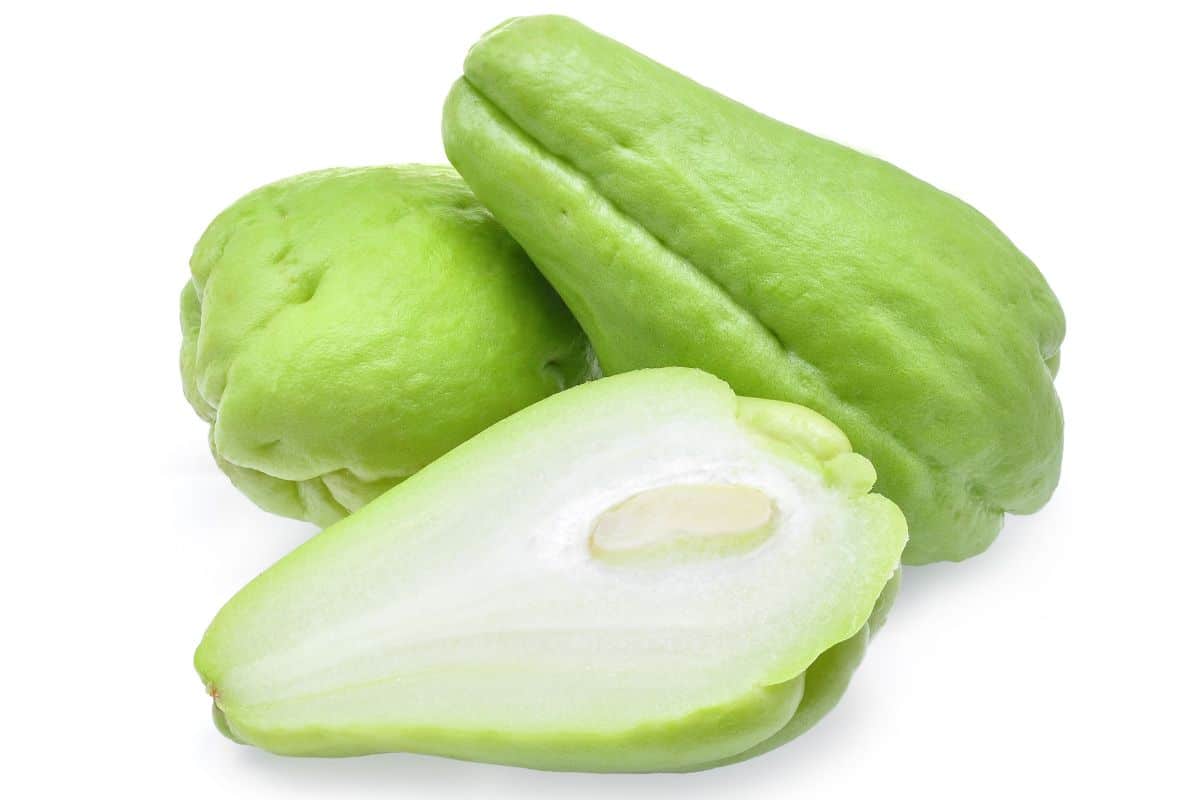
Origin and Growing Region: Chayote squash, also called vegetable pear or mirliton, hails from Mexico. It is, however, widely cultivated in various parts of Asia, including the Philippines, India, and China. It thrives in tropical and subtropical regions and can be found throughout the world.
Description and Flavor: Chayote is a pear-shaped, wrinkled, green squash. It has a mild, crisp texture, similar to a cucumber or green apple, and a subtle, slightly sweet flavor with a hint of nuttiness. The skin is usually thin and edible, while the flesh is pale green or white.
Chayote Squash Uses in Asian Cuisine: Chayote is a popular ingredient in various Asian cuisines. It can be stir-fried, boiled, stuffed, or added to soups and salads. In Chinese and Filipino cuisine, it’s often used in stir-fries alongside other vegetables and proteins. Chayote’s mild flavor allows it to complement and absorb the flavors of the ingredients it’s cooked with.
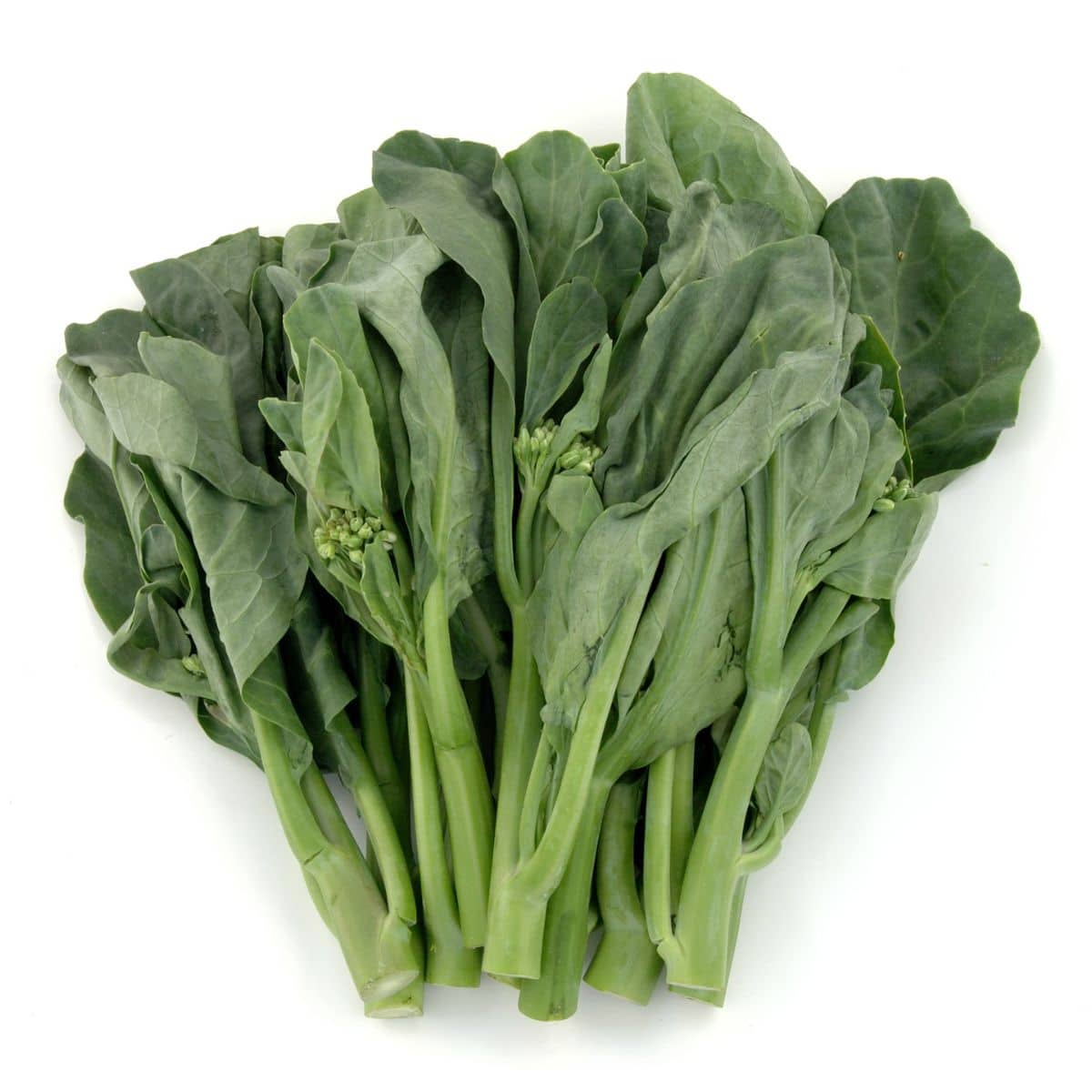
Origin and Growing Region: Chinese broccoli, known as gai lan or kai-lan, is native to China and is widely cultivated throughout Asia. It is grown in regions with temperate climates, including China, Taiwan, and Southeast Asian countries. Gai lan is a cool-season vegetable, and can also be found in some Western markets due to its popularity.
Description and Flavor: Chinese broccoli looks similar to regular broccoli but has long, slender stems and dark green leaves. It has a slightly bitter, earthy flavor, with a hint of sweetness. The leaves and stems are both edible and have a crisp texture. It’s often noted for its more pronounced bitterness compared to Western broccoli.
Chinese Broccoli Uses in Asian Cuisine: Gai lan is a staple in Chinese cuisine and is used in various dishes, including stir-fries and soups. It pairs well with oyster sauce or garlic sauce, which balances its bitterness. The tender stems and leaves are typically blanched before stir-frying to retain their vibrant green color and crisp texture.
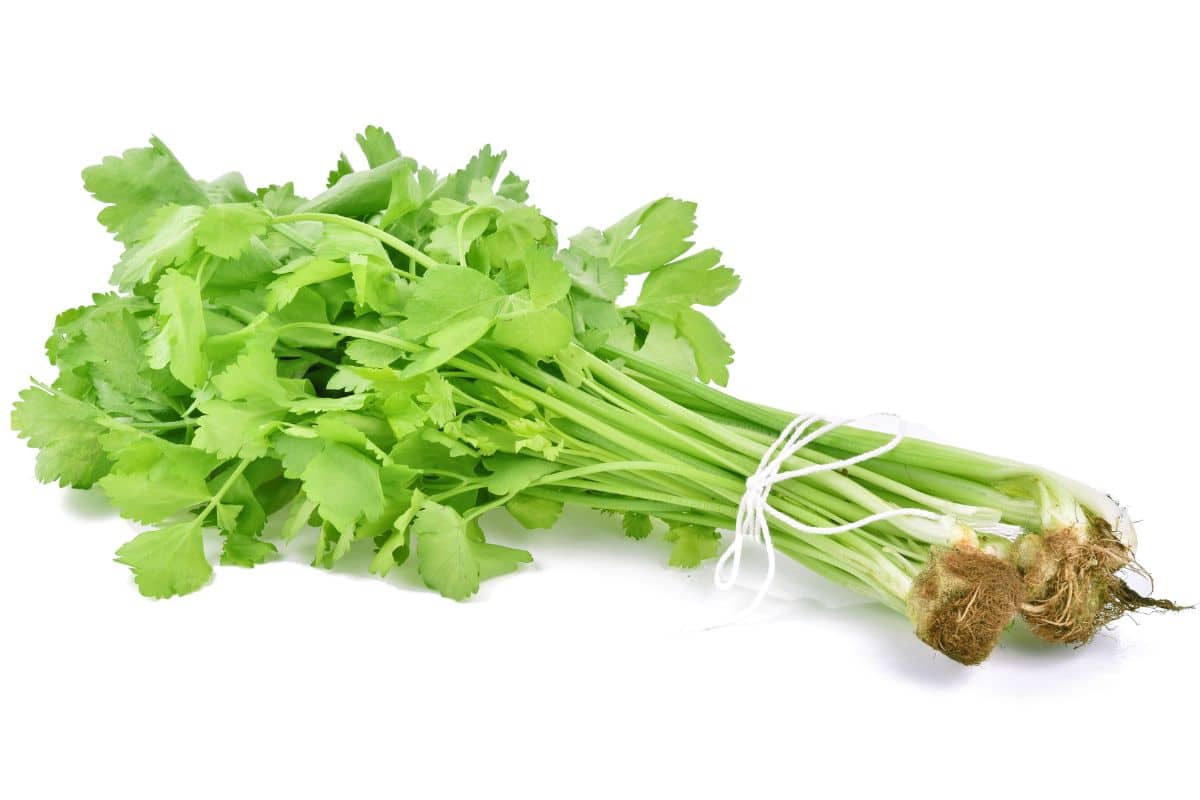
Origin and Growing Region: Chinese celery, also known as leaf celery or cutting celery, has its origins in East Asia, particularly China and Japan. It is suited for both cooler and subtropical climates. Chinese celery is primarily cultivated for its flavorful leaves and is different from the more common stalk celery.
Description and Flavor: Chinese celery has thin, serrated leaves and is more leafy compared to the thicker-stalked western celery. It has a strong, pungent flavor, reminiscent of regular celery but with a more pronounced bitterness and peppery note. The leaves are tender and fragrant, while the stems can be quite fibrous.
Chinese Celery Uses in Asian Cuisine: This is a popular ingredient in Asian cuisine, particularly in stir-fries, soups, and salads. The leaves have an intense flavor and are often used as an aromatic component in dishes like hot pots and noodle soups. It can be used in place of regular celery to provide a unique flavor to Asian recipes. The leaves are also used as a garnish to enhance the visual appeal of many dishes.
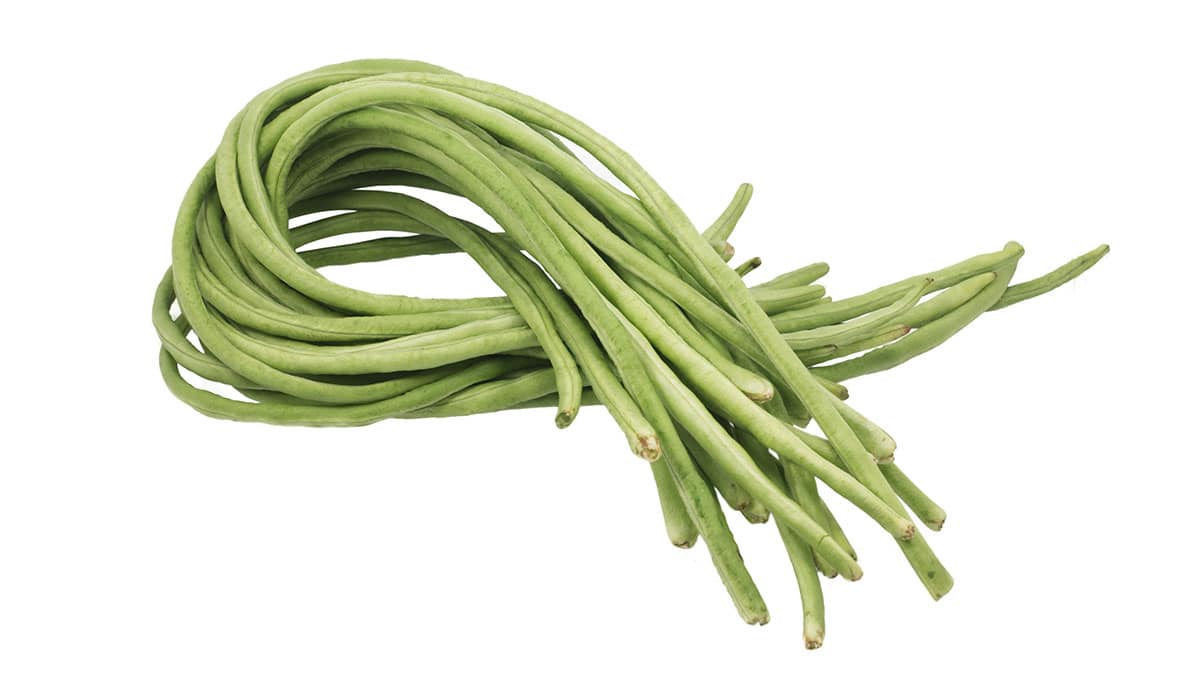
Origin and Growing Region: Chinese Long Beans, also known as Asparagus Beans, originate from East and Southeast Asia. They are believed to have been cultivated in China for thousands of years. These beans thrive in warm and tropical climates and are commonly grown in countries such as China, India, Indonesia, and the Philippines.
Description and Flavor: Chinese Long Beans are slender and can grow up to 2 feet in length, much longer than traditional green beans. They have a vibrant green color and a slightly wrinkled surface. These beans have a crisp and tender texture, similar to green beans, but with a slightly sweeter and nuttier flavor. The name “Asparagus Bean” comes from their resemblance to asparagus, both in terms of their shape and the mild asparagus-like flavor they possess.
Asparagus Bean Uses in Asian Cuisine: These beans are a staple in many Asian cuisines, particularly in Chinese, Thai, and Indian cooking. They are often stir-fried or used in various vegetable dishes. One popular Chinese preparation is “Dry-Fried String Beans,” where the beans are stir-fried until blistered and served with a savory sauce. They are also used in soups, curries, and salads. The long bean’s texture and flavor make them an excellent addition to vegetable stir-fries, as they hold up well to high heat and absorb the flavors of sauces and seasonings.
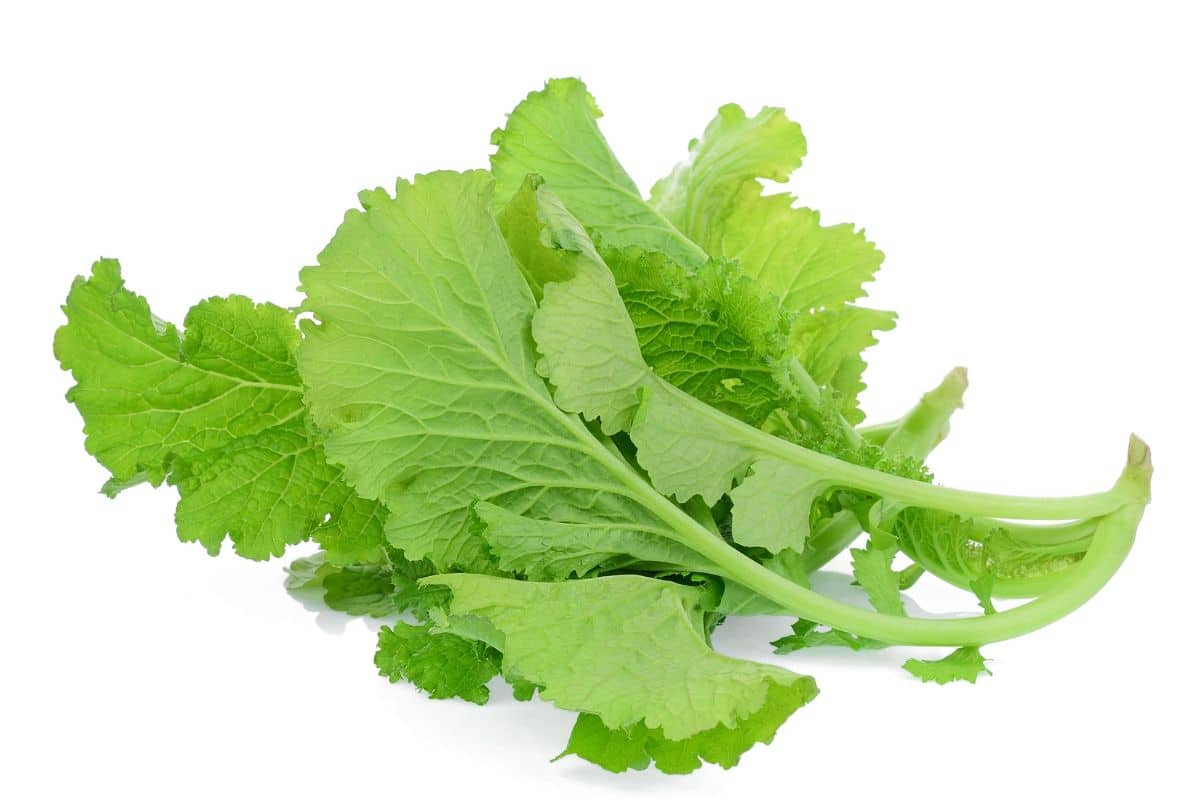
Origin and Growing Region: Chinese Mustard Greens, known as “Jie Cai” in Chinese, are believed to have originated in China. They have been cultivated for centuries in various regions of Asia, including China, Korea, and Japan. These leafy greens thrive in cool to temperate climates and are often grown in early spring or late fall.
Description and Flavor: Chinese Mustard Greens have broad, dark green leaves with a slightly wrinkled appearance. They can range from mild to spicy in flavor, depending on the variety and maturity. Younger leaves are generally milder, while mature leaves have a stronger, peppery taste. Their texture is generally tender, especially when they are harvested at a younger stage.
Chinese Mustard Green Uses in Asian Cuisine: They are commonly used in stir-fries, soups, and pickled dishes. One well-known Chinese preparation is “Suan Cai,” in which the greens are fermented and used in various dishes, adding a tangy and slightly spicy flavor. In Korean cuisine, they are used in kimchi and side dishes. The spicy varieties are often used to add heat and depth to stir-fries and noodle dishes. The milder ones can be incorporated into soups and hot pots.
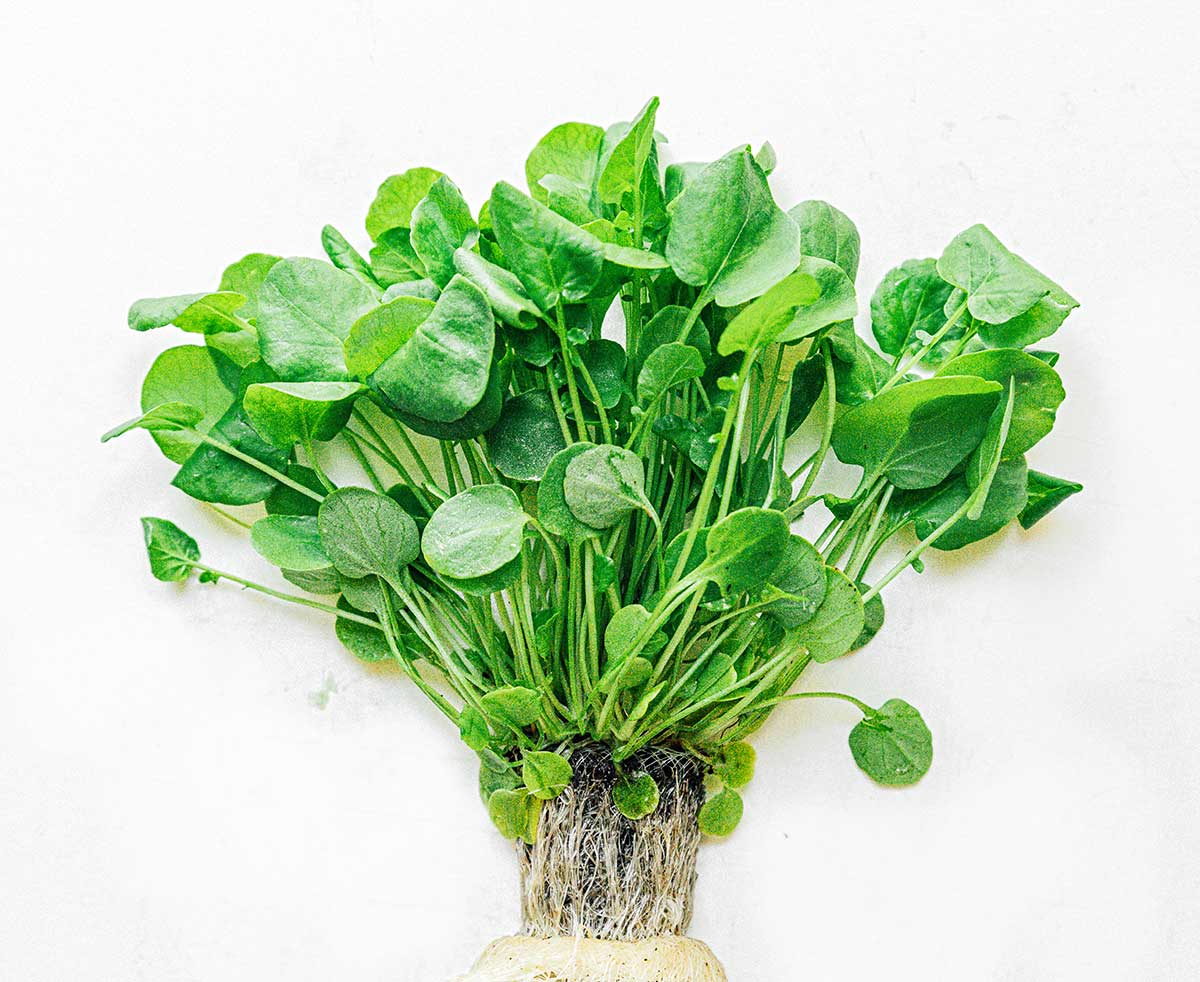
Origin and Growing Region: Chinese watercress, or “Xian Cai”, has a long history of cultivation in China and is now grown in various Asian countries and worldwide. It thrives in wet, aquatic environments and is typically grown in water gardens or shallow ponds.
Description and Flavor: Chinese watercress has small, dark green, and peppery-flavored leaves that grow on long, tender stems. The flavor is slightly spicy and earthy, making it a popular choice for adding a peppery kick to dishes. It’s often used for its tender leaves and crunchy stems.
Chinese Watercress Uses in Asian Cuisine: It is frequently used in soups, stir-fries, and hot pots. In Chinese cuisine, it’s a common addition to clear and flavorful soups, as well as stir-fried dishes. The leaves and stems are often incorporated into stir-fries to add a peppery bite. Chinese watercress is also enjoyed in salads, providing a unique and zesty flavor.
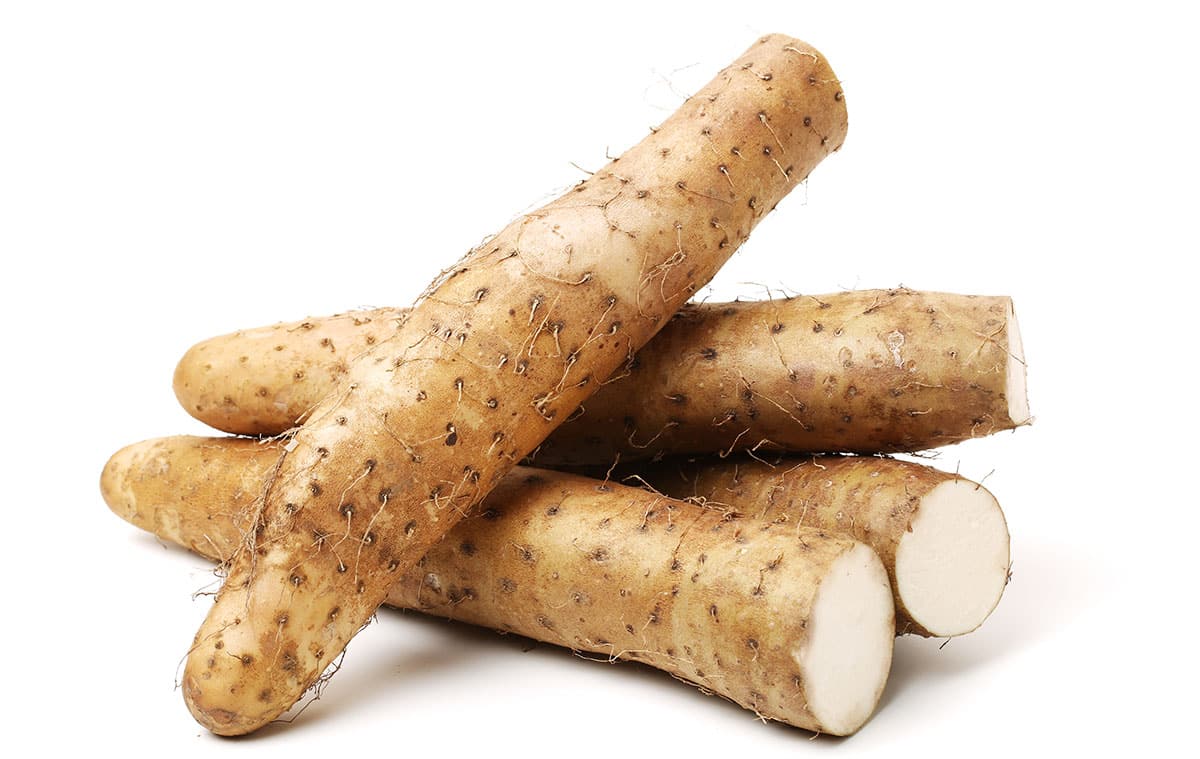
Origin and Growing Region: Chinese Yam, known as “Huai Shan” in Chinese, is native to China and has been cultivated for centuries. It is widely grown in East and Southeast Asia, particularly in China, Japan, and Korea.
Description and Flavor: Chinese yam is a starchy, elongated tuber with rough, brownish skin and white, slightly slimy flesh. The taste is mildly sweet and nutty, and it has a somewhat mucilaginous texture when cooked. Chinese yam is often compared to sweet potato in terms of taste and texture.
Chinese Yam Uses in Asian Cuisine: It is used in both sweet and savory Asian cuisines. In soups and stews it contributes to the broth’s thickness and flavor. Chinese Yam can also be stir-fried, roasted, or used in desserts like yam paste.
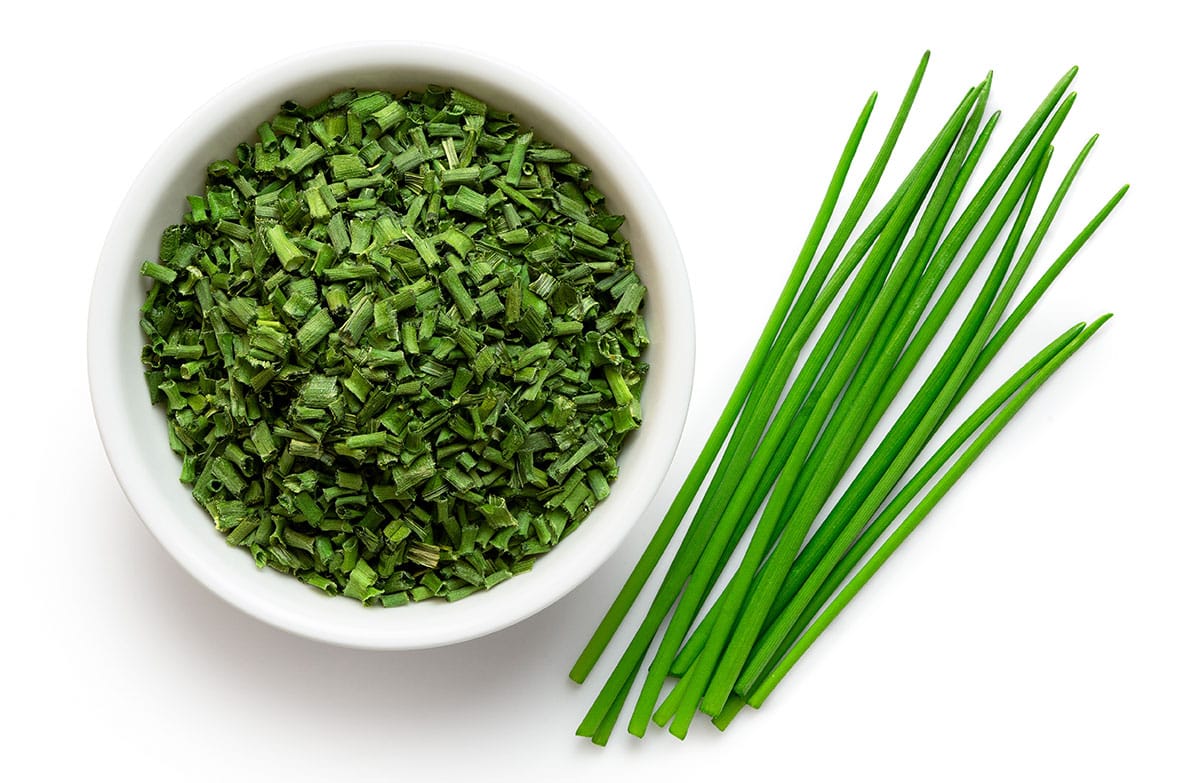
Origin and Growing Region: Chives, known as “Jiu Cai” in Chinese, are native to Europe and Asia. They have a long history of cultivation and are widely grown throughout Asia, including China, Japan, and Korea. Chives are known for their hardy nature and adaptability to various climates.
Description and Flavor: Chives are slender, hollow, grass-like leaves with a mild, onion-like flavor. They have a delicate, grassy aroma and a subtle pungency. Chives are usually bright green and add a burst of color to dishes.
Chives Uses in Asian Cuisine: Chives are a popular herb in Asian cuisine, adding a fresh, mild onion flavor to a variety of dishes. They are commonly used as a garnish in soups, stir-fries, and dumplings. In Chinese cuisine, chives are often used in dumpling fillings, imparting their aromatic flavor to the filling mixture. In Korean cuisine, chives are used in various kimchi recipes, adding both flavor and color to the fermented vegetables. Chives are a versatile herb that complements many Asian dishes with their subtle onion flavor.
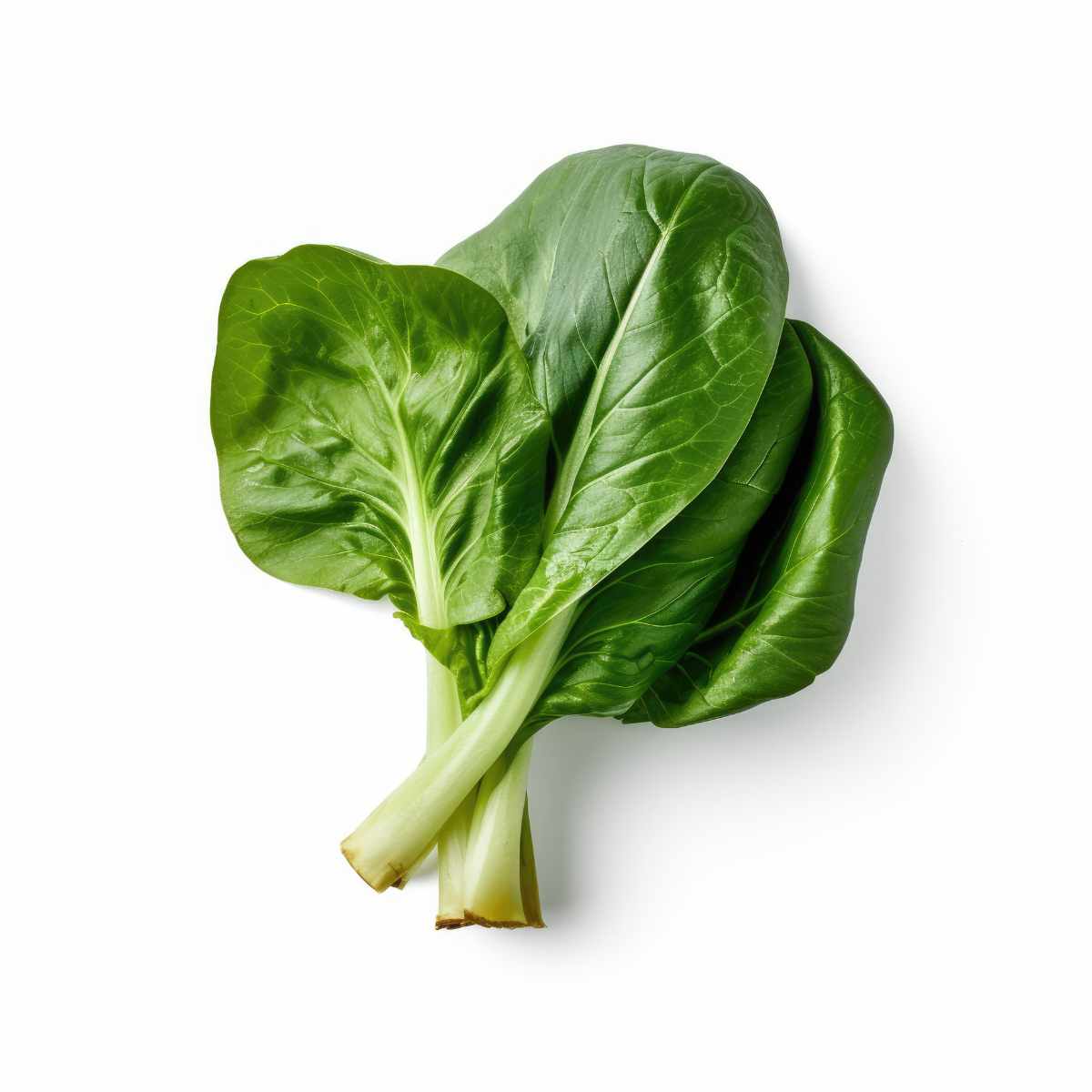
Origin and Growing Region: Choy Sum, also known as Chinese flowering cabbage, is a popular leafy vegetable in Chinese cuisine. It is believed to have originated in China, and it is widely grown in various Asian countries, with China, Taiwan, and Hong Kong being some of the major producers.
Description and Flavor: Choy Sum is characterized by its slender, tender stems and bright green, deeply lobed leaves. It has a mild, slightly peppery flavor with a hint of sweetness. Both the leaves and stems are edible, and the texture is crisp and tender. The flavor is similar to a combination of spinach and mustard greens.
Choy Sum Uses in Asian Cuisine: It can be stir-fried, blanched, or added to soups and hot pots. Choy Sum is often seasoned with garlic and oyster sauce in Chinese cuisine and is a popular choice for adding a nutritious and flavorful component to many dishes, including noodle stir-fries and dim sum.
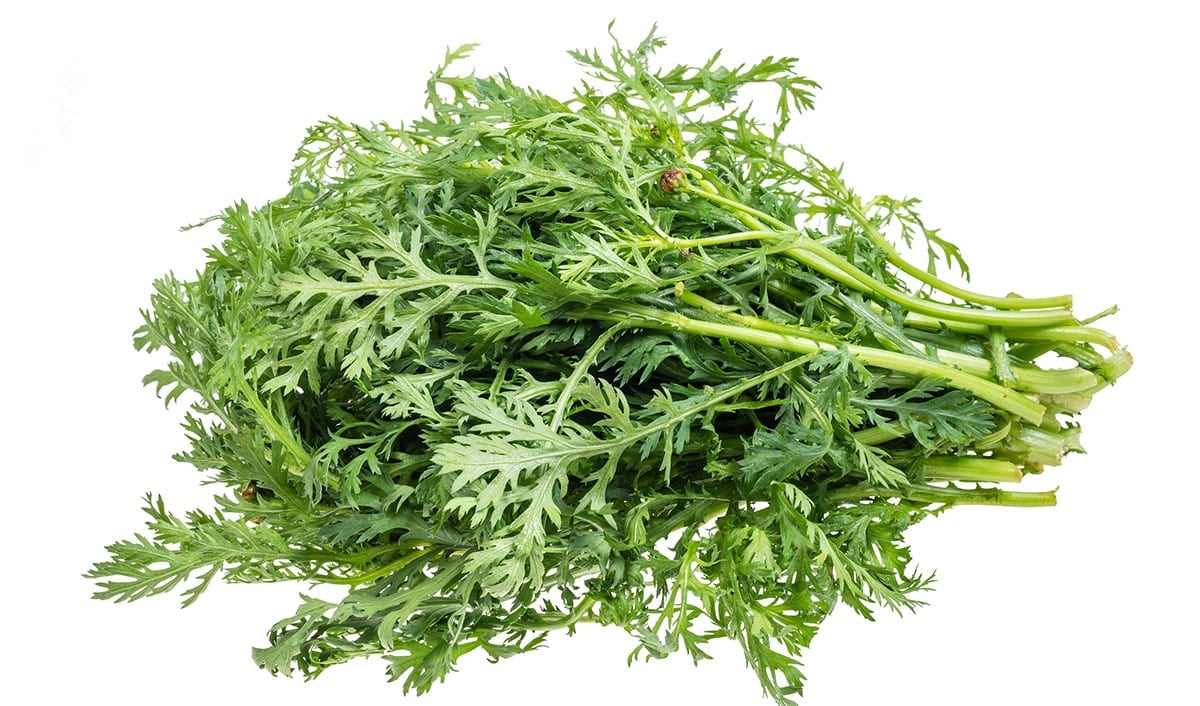
Origin and Growing Region: Chrysanthemum greens, also known as Tong Ho or Shungiku, are native to East Asia, with origins in China and Japan. They are grown in various Asian countries, including China, Japan, and Taiwan, and can also be found in some Western countries with Asian communities.
Description and Flavor: Chrysanthemum greens have small, bright green leaves and tender stems. They are known for their slightly bitter, grassy, and herbal flavor, with a hint of sweetness. The taste is somewhat reminiscent of spinach, and the leaves are highly aromatic and impart a unique taste to dishes.
Chrysanthemum Greens Uses in Asian Cuisine: They are often added to soups and stir-fries. In Japan, they are a popular ingredient in nabemono (Japanese hot pot) dishes. The leaves are also used in salads and can be briefly blanched before serving. The delicate, floral flavor of chrysanthemum greens enhances the overall taste of a recipe.
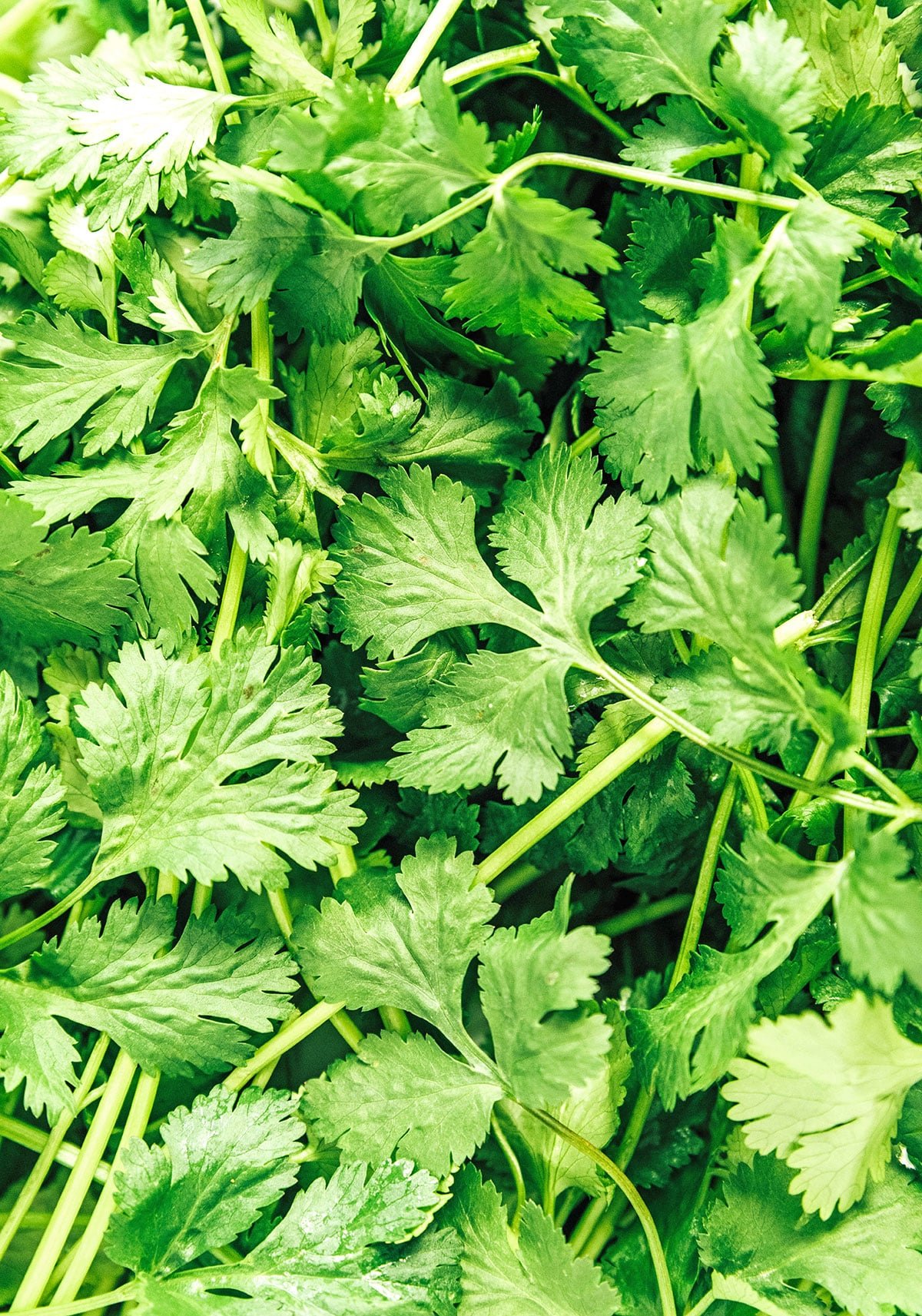
Origin and Growing Region: Cilantro, known as coriander in some regions, has its origins in the Mediterranean and Asia Minor (present-day Turkey). It is now cultivated worldwide, including throughout Asia, with India, China, and Southeast Asian countries being large producers.
Description and Flavor: Cilantro is a herb with delicate, lacy, and vibrant green leaves. It has a distinct flavor, often described as citrusy, herbaceous, and slightly soapy. The seeds of the cilantro plant are known as coriander seeds and have a different flavor, often used in Asian spice blends.
Cilantro Uses in Asian Cuisine: Cilantro is a staple in various Asian cuisines. It is often used as a garnish for adding a fresh, aromatic element. Cilantro is frequently used in curries, as a topping for noodles, in soups, and with grilled meats. In many Asian recipes, it provides a burst of bright, refreshing flavor and complements the spices and aromatics commonly used in these cuisines.
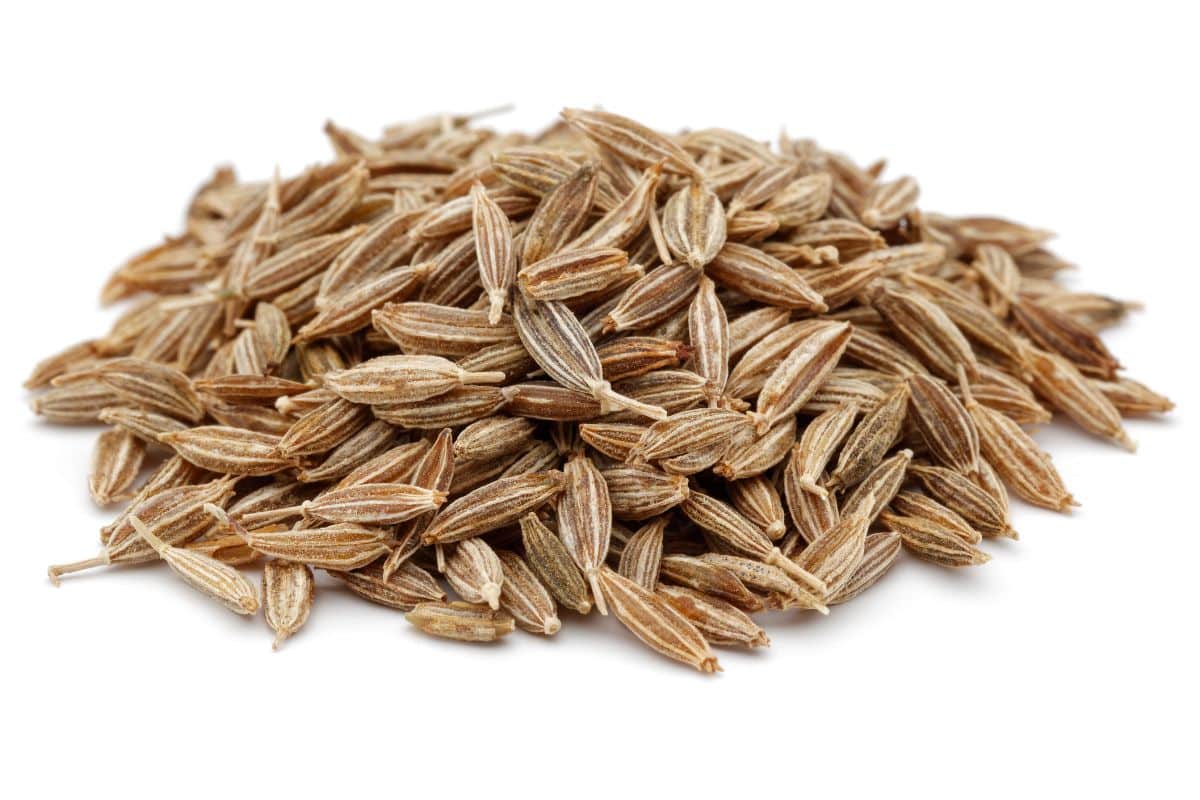
Origin and Growing Region: Cumin is native to the eastern Mediterranean and has been cultivated for thousands of years. It was introduced to Asia through trade routes. Today, cumin is grown in India and a few other Asian nations.
Description and Flavor: Cumin is a spice made from the seeds of the cumin plant. The seeds are small, elongated, and brown in color. Cumin has a warm, earthy, and slightly nutty flavor with a hint of citrus, and the aroma is aromatic.
Cumin Uses in Asian Cuisine: In India cumin is a key spice in curry blends, adding a distinct earthy flavor. Cumin is used in the preparation of rice dishes, like biryani, and it’s often toasted before use to enhance its flavor. It’s also an essential ingredient in various condiments and sauces, like tamarind chutney and raita.
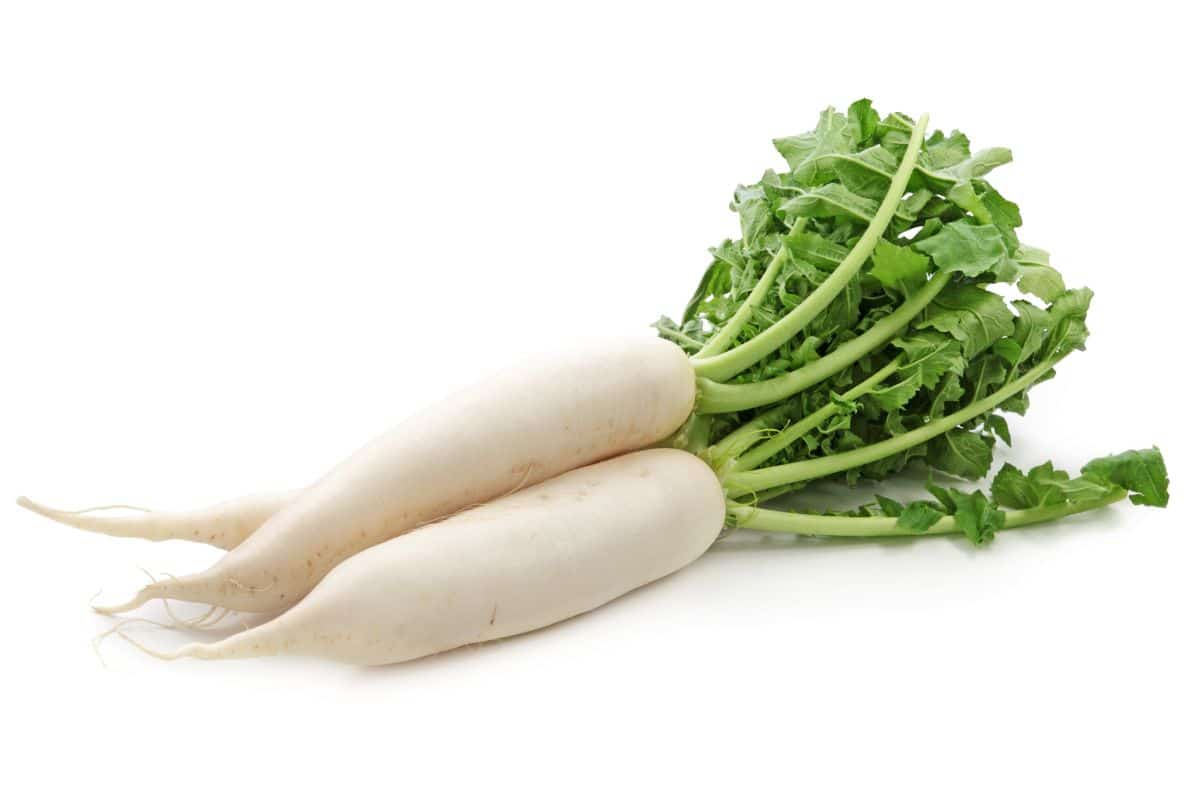
Origin and Growing Region: The daikon radish, often referred to as Japanese radish, originates from Southeast Asia. It is widely cultivated in East Asia, including Japan, China, Korea, and Vietnam.
Description and Flavor: Daikon radish is a large, elongated root vegetable with crisp, white flesh. Its flavor is milder than traditional red radishes, offering a slightly sweet, peppery taste with a hint of spiciness. The texture is crunchy and refreshing.
Daikon Radish Uses in Asian Cuisine: It can be eaten raw in salads, pickled in dishes like kimchi (Korean fermented vegetables), or cooked in stir-fries, soups, and hot pots. Daikon is often used to balance the heat and spice in many Asian dishes, and its versatility makes it a common addition to a wide range of recipes.
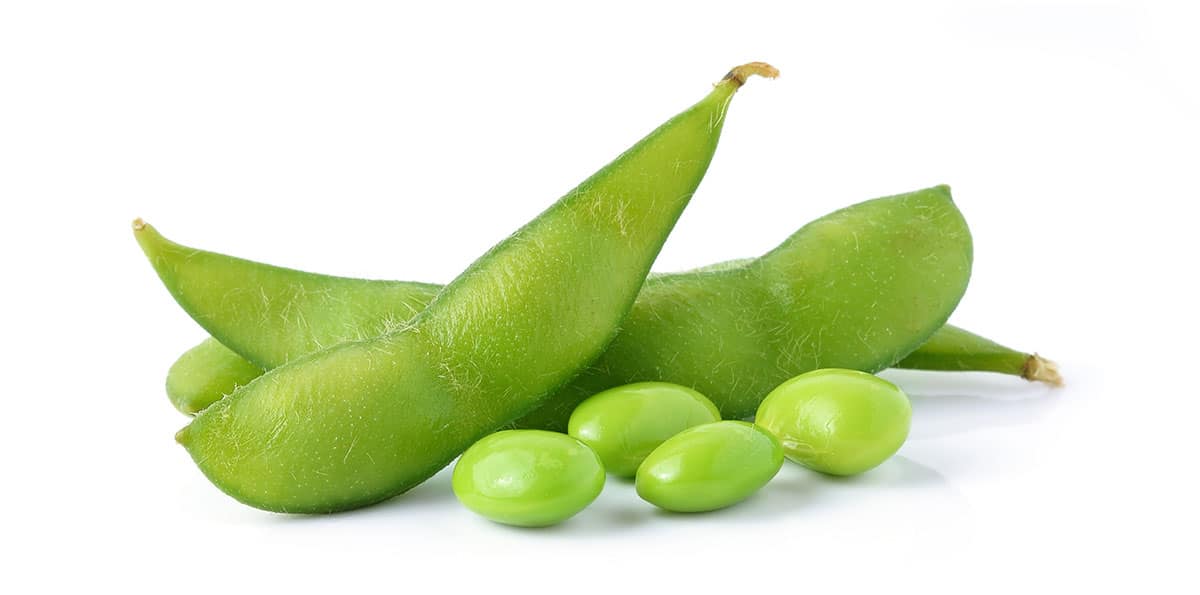
Origin and Growing Region: Edamame is believed to have originated in East Asia, particularly in China and Japan. It is now grown worldwide, with major production in Asia, North America, and Europe.
Description and Flavor: Edamame are young soybeans still in their pods, typically bright green. They have a mild, nutty, and slightly sweet flavor with a firm, crunchy texture. Edamame is often boiled or steamed before consumption, and the pods are typically lightly salted.
Edamame Uses in Asian Cuisine: Edamame is a popular snack and appetizer in Asian cuisine. In addition to being eaten raw, they are used in various Japanese dishes, including sushi, stir-fries, and noodle dishes. Edamame can also be incorporated into salads, dumplings, and soups, providing a protein-rich and flavorful addition to many Asian recipes.
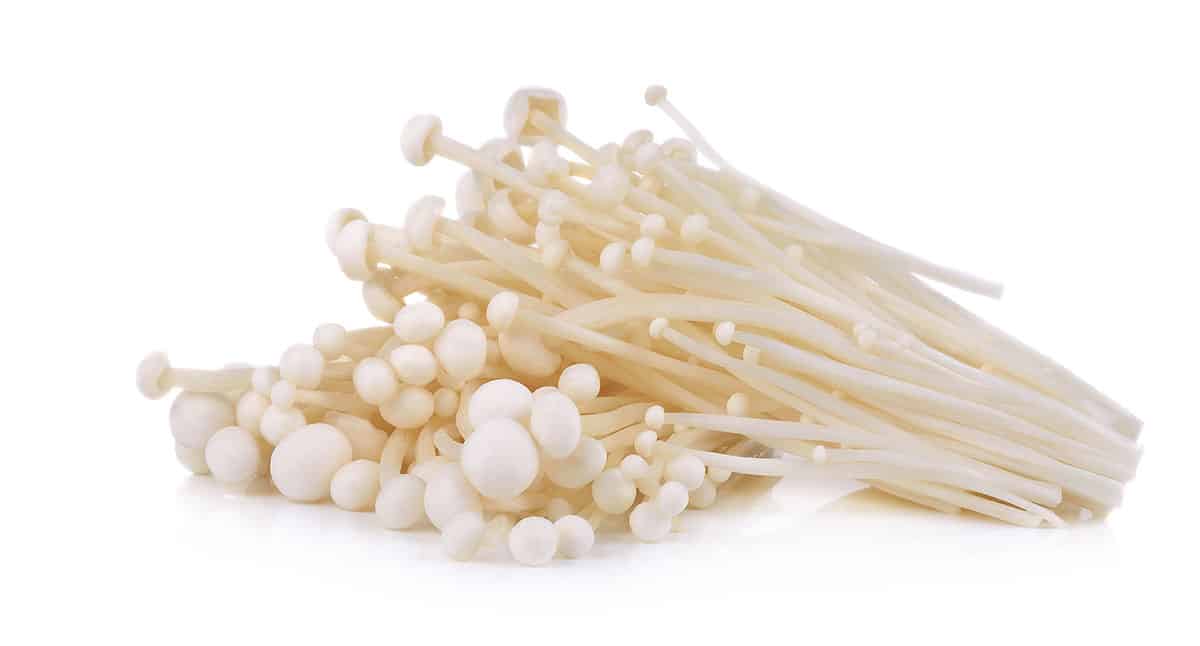
Origin and Growing Region: Enoki mushrooms, also known as Enokitake or golden needle mushrooms, have their origins in East Asia, particularly in China and Japan. They are now cultivated in various countries, as their popularity has spread to other parts of the world.
Description and Flavor: Enoki mushrooms have long, thin, white stems and tiny, button-like caps. They have a mild, slightly fruity, and sweet flavor, and a delicate, crunchy texture. Their appearance is reminiscent of long, thin noodles bundled together.
Enoki Uses in Asian Cuisine: Enoki mushrooms are frequently used in Asian dishes, particularly in Japanese, Chinese, and Korean cuisines. They are added to soups, hot pots, stir-fries, and salads. Enoki mushrooms are valued for their unique texture and ability to absorb the flavors of the dishes they are cooked in. They are often used as a garnish, providing both a pleasant texture and a mild, earthy taste to various dishes. Enoki is just one of many varieties of mushrooms used in Asian cuisine. Check out our guide to types of mushrooms for other ideas.
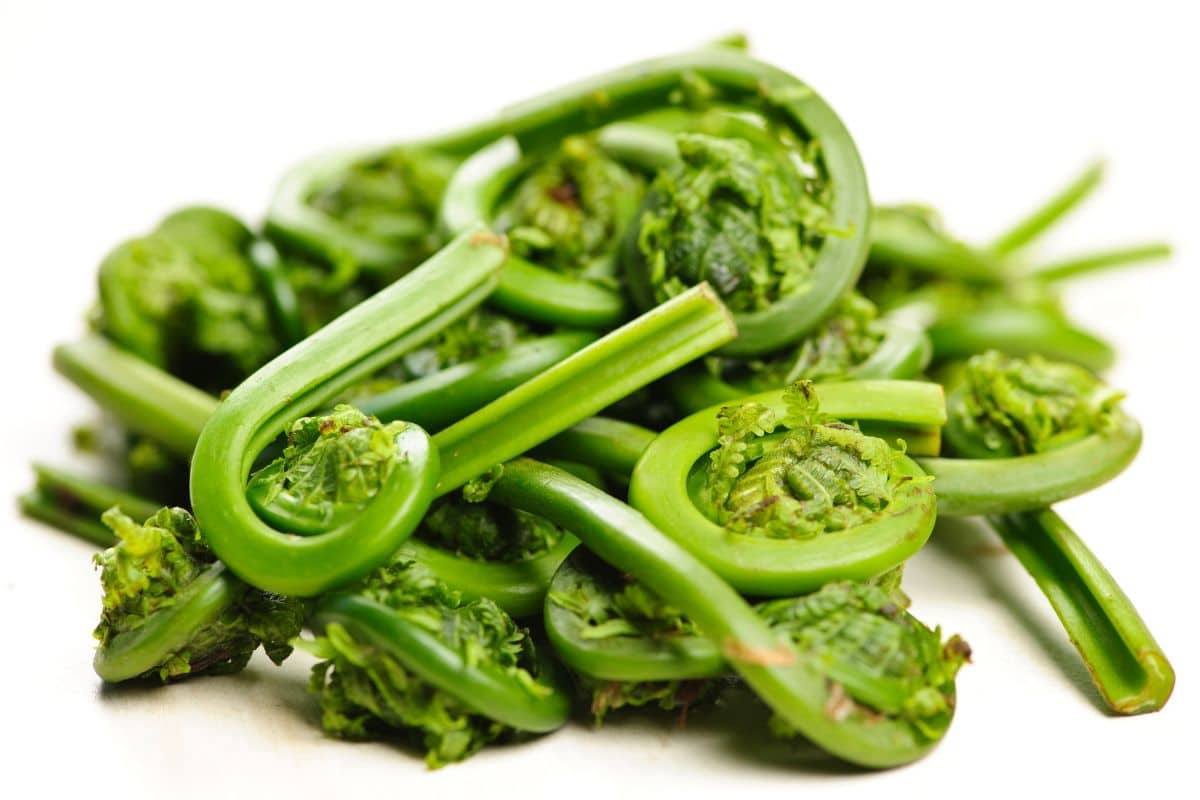
Origin and Growing Region: Fiddlehead ferns are native to North America, Asia, and Europe and have a long history of being foraged for food in these regions. In Asia, they are commonly found in countries like Japan, Korea, and parts of China. They can be harvested in the wild or cultivated, depending on the region and availability.
Description and Flavor: Fiddlehead ferns are named for their resemblance to the head of a fiddle or violin, with a distinct spiral shape. They are typically bright green and about 1 to 2 inches long. Fiddleheads have a unique flavor, often described as a combination of asparagus and green beans with a slightly nutty undertone. They are a delicate vegetable that comes from the tightly coiled, young fronds of certain fern species.
Fern Shoot Uses in Asian Cuisine: They are often blanched, sautéed, or pickled to highlight their crisp texture and fresh flavor. In Japan, they are commonly used in tempura, salads, and as a garnish for various dishes. In Korean cuisine, fiddlehead ferns are frequently used in side dishes, stir-fries, and soups. They are appreciated not only for their taste but also for their striking appearance, which adds visual appeal to many Asian dishes.
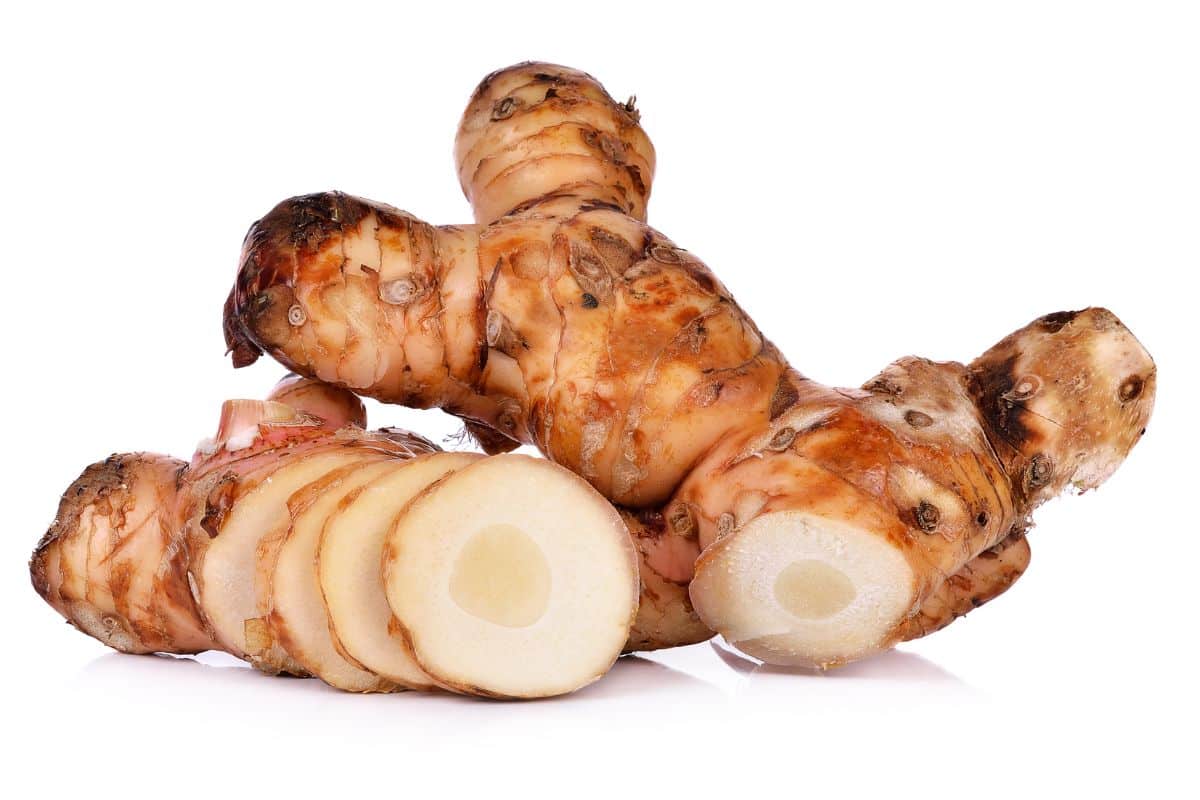
Origin and Growing Region: Galangal is native to Southeast Asia. It is primarily grown in Thailand, Indonesia, Malaysia, and Cambodia. Galangal is a close relative of ginger and shares some similarities in appearance but has a distinct flavor.
Description and Flavor: Galangal looks similar to ginger but is paler and more cylindrical. It has a tough, reddish-brown skin and is typically used in fresh or dried form. The flavor of galangal is a combination of citrusy, piney, and spicy notes, with a more pronounced heat compared to ginger.
Galangal Uses in Asian Cuisine: Galangal is a key component in much of Thai, Indonesian, and Malaysian cuisine. It is often used in curry pastes, soups (such as Tom Yum), and stir-fries. Galangal’s sharp and zesty flavor adds depth to these dishes and imparts a distinct, authentic taste that is essential for traditional recipes.
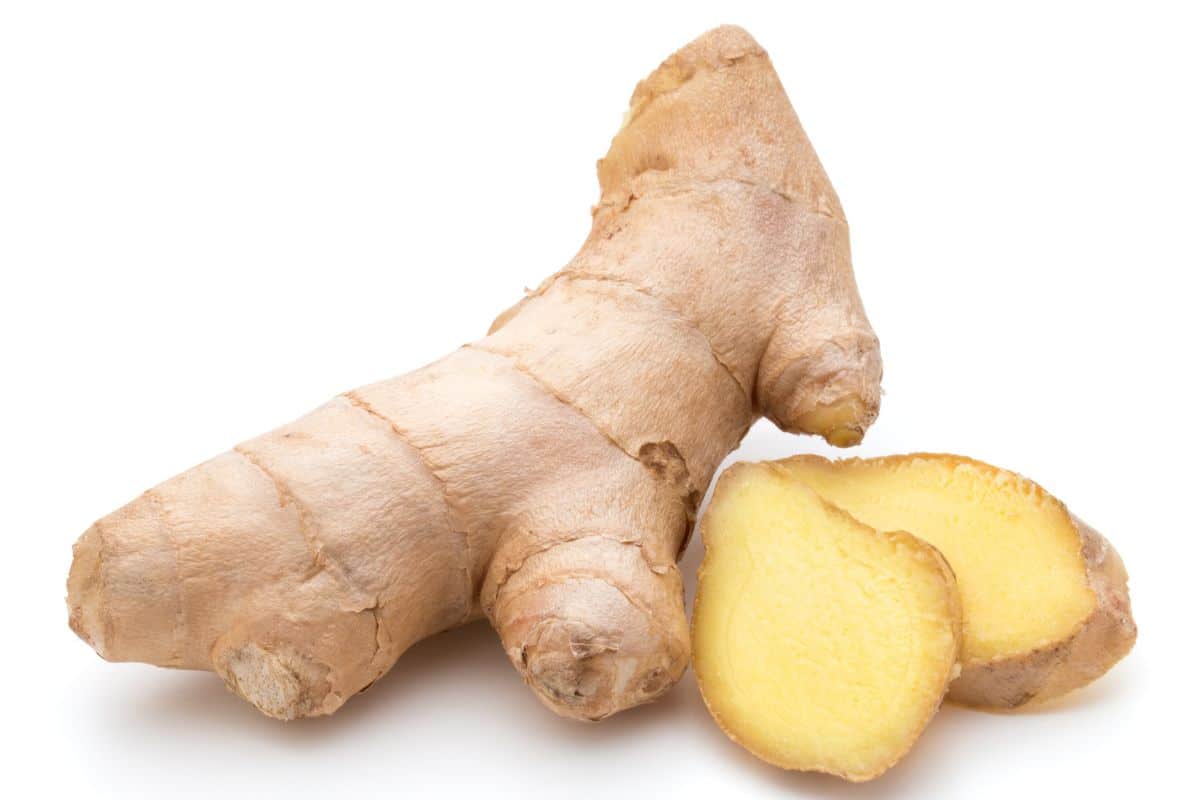
Origin and Growing Region: Ginger is a flowering plant believed to have originated in Southeast Asia. It has a long history of cultivation in countries like India, China, and Thailand, and has since spread to many parts of the world. Today, ginger is grown in tropical and subtropical regions globally.
Description and Flavor: Ginger has a knobby, beige-colored rhizome (fancy word for an underground stem that isn’t a root) with a pale yellowish interior. Its flavor is pungent, spicy, and slightly sweet, with a zesty quality. Fresh ginger has a sharper taste compared to dried ginger and is commonly used in Asian cuisine for its aromatic and digestive properties.
Ginger Uses in Asian Cuisine: Ginger is a staple in Asian cuisine, and its applications are diverse. It is used fresh, minced, grated, and powdered. It is a fundamental ingredient in many stir-fries, soups, sauces, and marinades. In addition to enhancing flavor, ginger is valued for its medicinal properties and is often used to aid digestion and alleviate nausea.
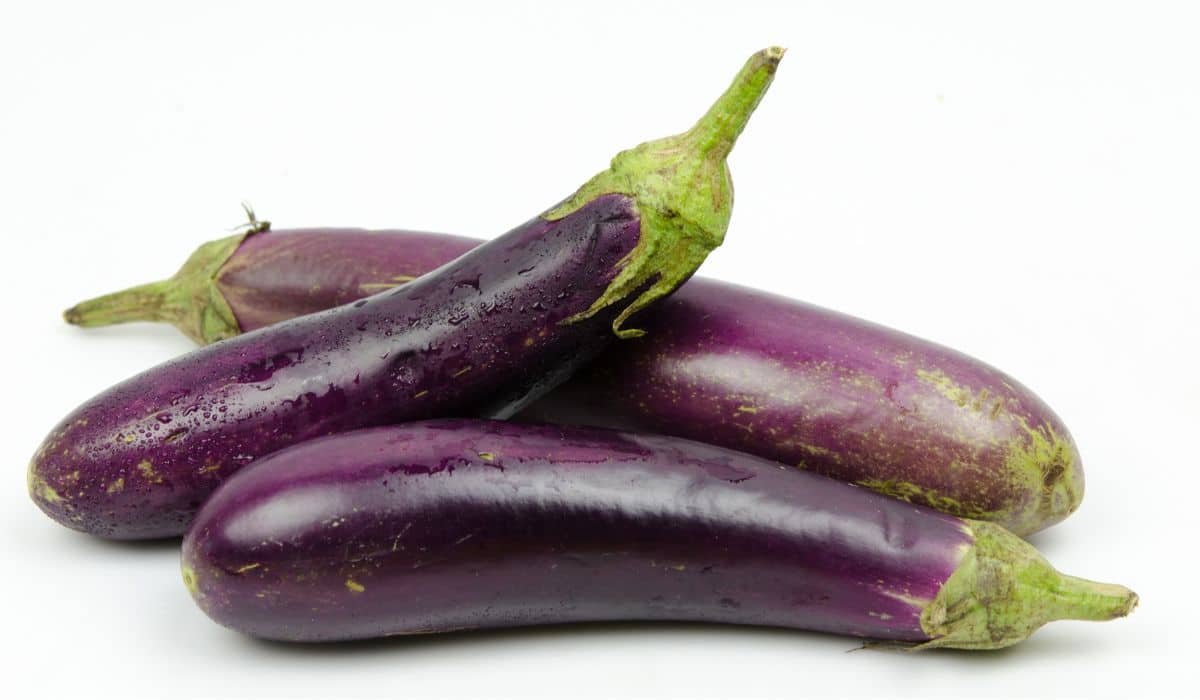
Origin and Growing Region: Japanese eggplants, also known as aubergines, are believed to have originated in India and then spread to various parts of Asia, including Japan. They are now cultivated in many regions, particularly in East and Southeast Asia.
Description and Flavor: Japanese eggplants are smaller and more slender compared to the larger, globe-shaped eggplants commonly found in Western markets. They have thin, tender skins and a creamy, mild flavor. The texture of Japanese eggplants is less bitter and less seedy than their larger counterparts, making them a popular choice in Asian cuisine.
Eggplant Uses in Asian Cuisine: Japanese eggplants are widely used in Asian cuisine, especially in dishes from Japan, China, and Southeast Asian countries. They absorb flavors well and are often used in stir-fries, curries, and braised dishes.
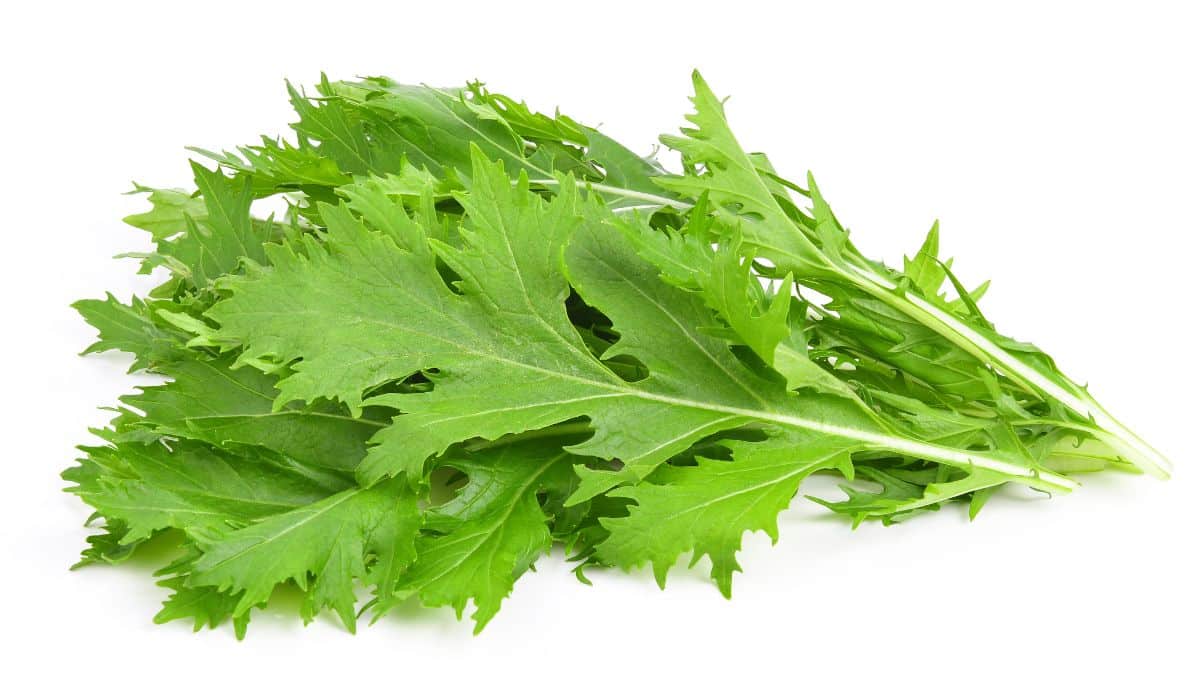
Origin and Growing Region: Mizuna, a type of mustard green, is native to East Asia, particularly Japan. It is now cultivated in many other parts of Asia and has gained popularity due to its unique flavor and nutritional benefits.
Description and Flavor: Mizuna has feathery, deeply serrated leaves and a vibrant green color. Its flavor is peppery, slightly bitter, and mildly tangy, with a hint of mustard-like spiciness. Mizuna’s mild heat and crisp texture make it a versatile addition to salads and cooked dishes.
Mizuna Uses in Asian Cuisine: Mizuna is commonly used in Japanese and other Asian cuisines as a salad green or a cooking ingredient. It can be found in salads, stir-fries, hot pots, and soups. Its peppery flavor adds a bite to dishes and complements other Asian ingredients, making it a popular choice in both traditional and modern Asian cooking.
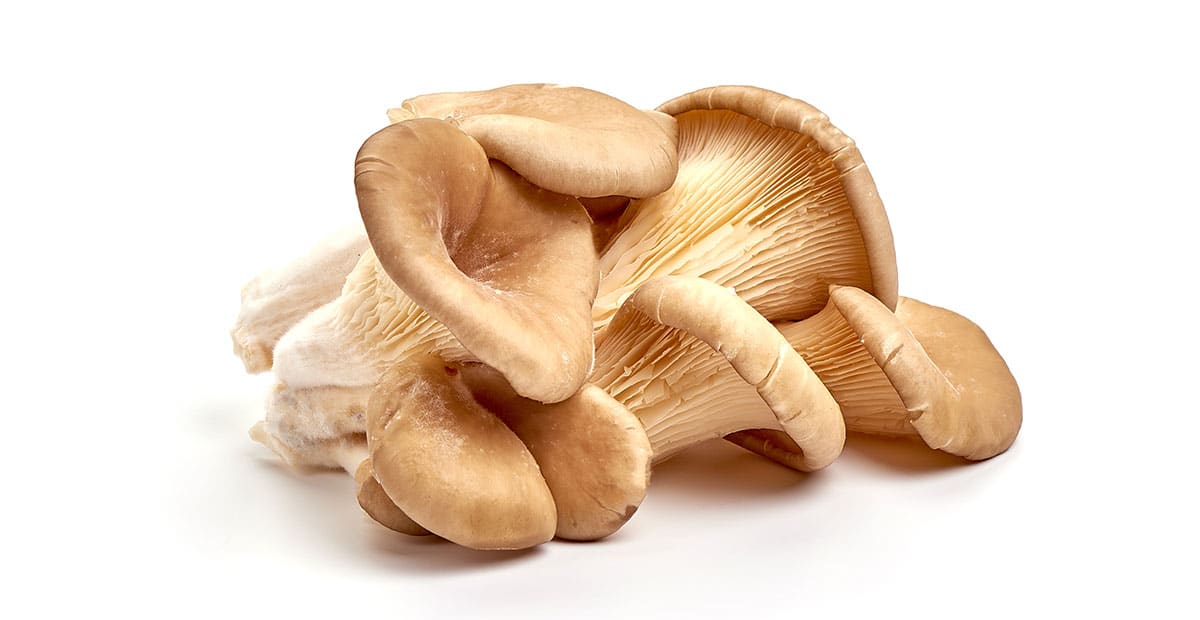
Origin and Growing Region: King Oyster Mushrooms are native to the Mediterranean region but are widely cultivated in various parts of Asia, including China, Korea, and Japan. They thrive in temperate climates and are often grown in controlled environments or on sawdust substrates.
Description and Flavor: King Oyster Mushrooms are distinct for their elongated stem and small-cap. The stem has a firm, meaty texture, while the cap is relatively small. They have a mild, umami-rich flavor with a slightly nutty undertone.
King Oyster Mushroom Uses in Asian Cuisine: These shrooms are commonly used in stir-fries and soups. They are known for their ability to absorb flavors and hold their shape during cooking and are often used as meat substitutes in vegetarian and vegan dishes due to their meaty texture. Additionally, they can be grilled, sautéed, or used in hot pots and stews.
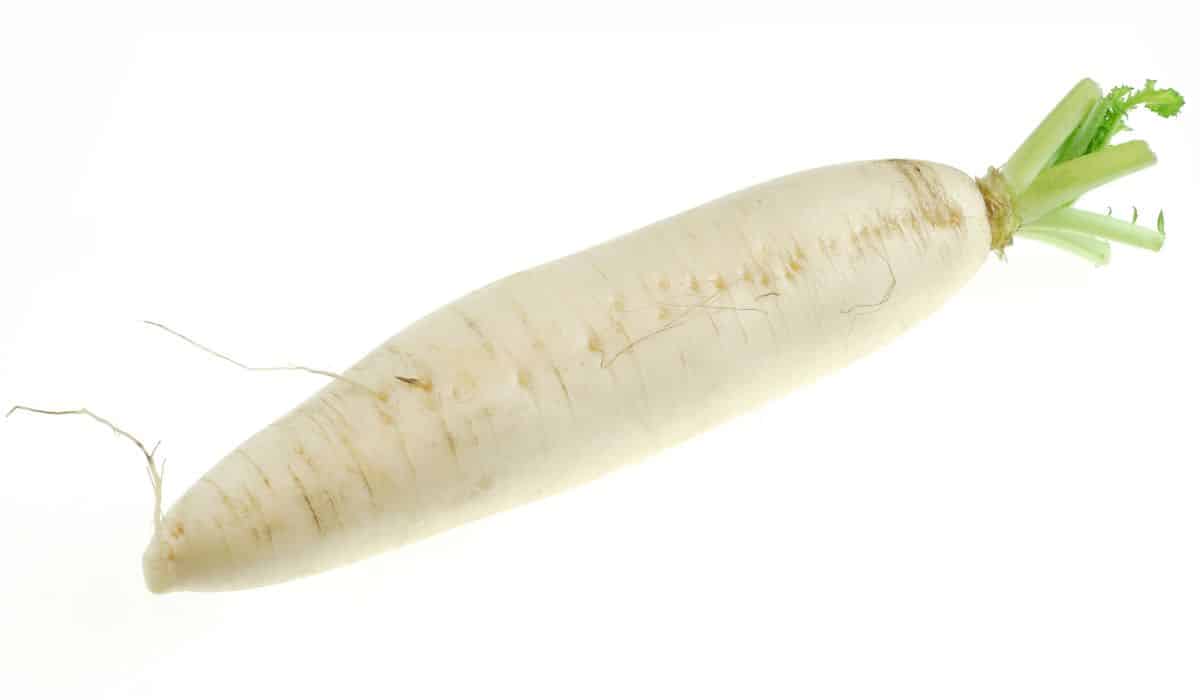
Origin and Growing Region: Korean radish, also called Mu or Moo in Korean, is native to the Korean Peninsula but is now grown in various Asian countries, including China and Japan. It thrives in cool, temperate climates.
Description and Flavor: The Korean radish is a large, pale, cylindrical root vegetable with a sweet and crisp flesh. It has a milder and sweeter flavor compared to traditional radishes. The skin is usually peeled before consumption.
Korean Radish Uses in Asian Cuisine: This is a key ingredient in various Korean dishes such as kimchi, a fermented spicy cabbage dish. It is also used to make side dishes, salads, and soups. Its sweetness and crisp texture add a refreshing contrast to the spicy and savory ingredients used in Korean cuisine.
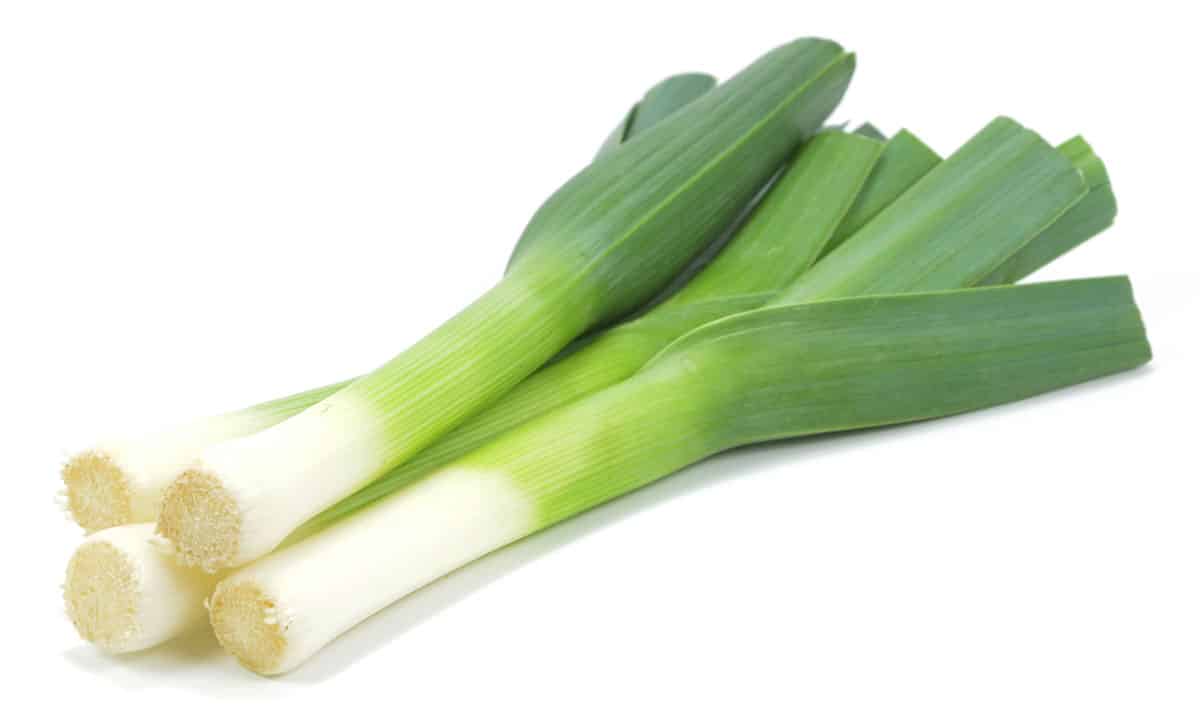
Origin and Growing Region: Leeks are believed to have originated in the Middle East and Mediterranean, but are grown in many parts of Asia, including China and Japan.
Description and Flavor: Leeks are long, cylindrical vegetables with white and light green parts. They have a mild onion-like flavor with a subtle sweetness. The flavor is less pungent than regular onions or garlic.
Leek Uses in Asian Cuisine: They are often used in stir-fries, soups, and noodle dishes. Leeks add a mild onion flavor and a pleasant crunch to these dishes. In Chinese and Japanese cuisine, leeks are often used as aromatic ingredients in the base of many savory dishes.
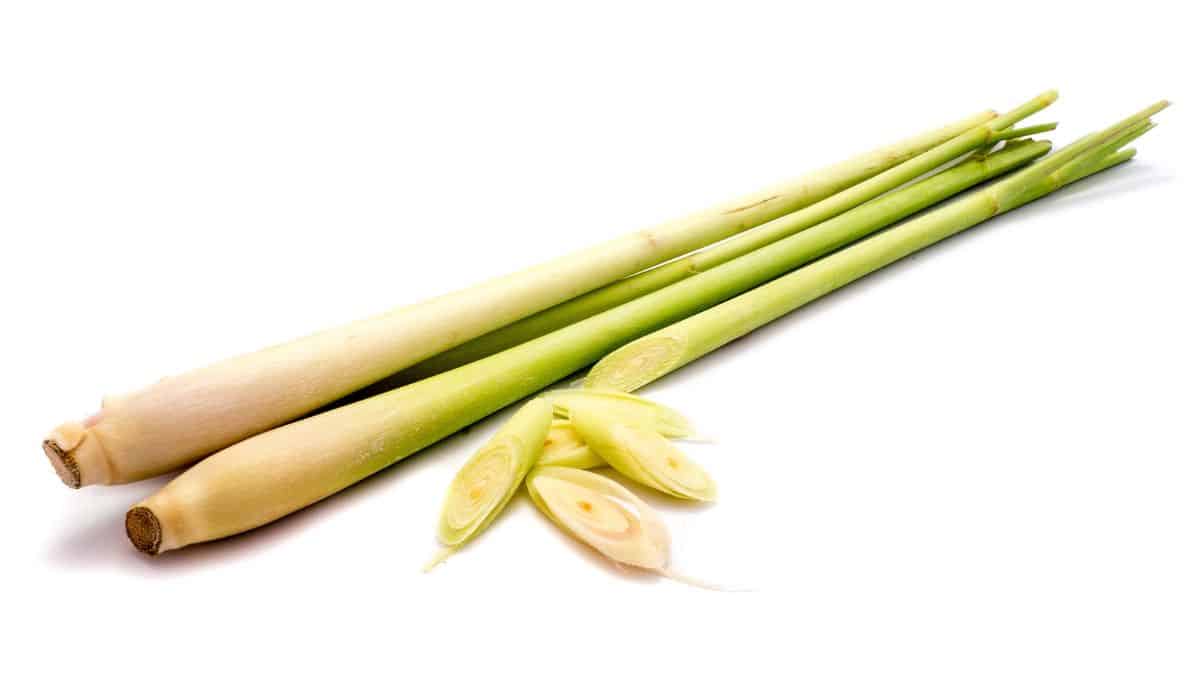
Origin and Growing Region: Lemongrass is native to South and Southeast Asia. It is widely cultivated in tropical and subtropical regions, including countries like Thailand, Vietnam, and India.
Description and Flavor: Lemongrass is a tall, grass-like herb with a lemony, citrus-like flavor and a fragrance. The flavor comes from its essential oils and is often used to infuse a refreshing citrus note into dishes.
Lemongrass Uses in Asian Cuisine: Lemongrass is a staple in many Asian cuisines, especially in Southeast Asia. It is used to flavor curries, soups, and stir-fries, as well as in marinades and herbal teas. It imparts a zesty and aromatic quality to the dishes.
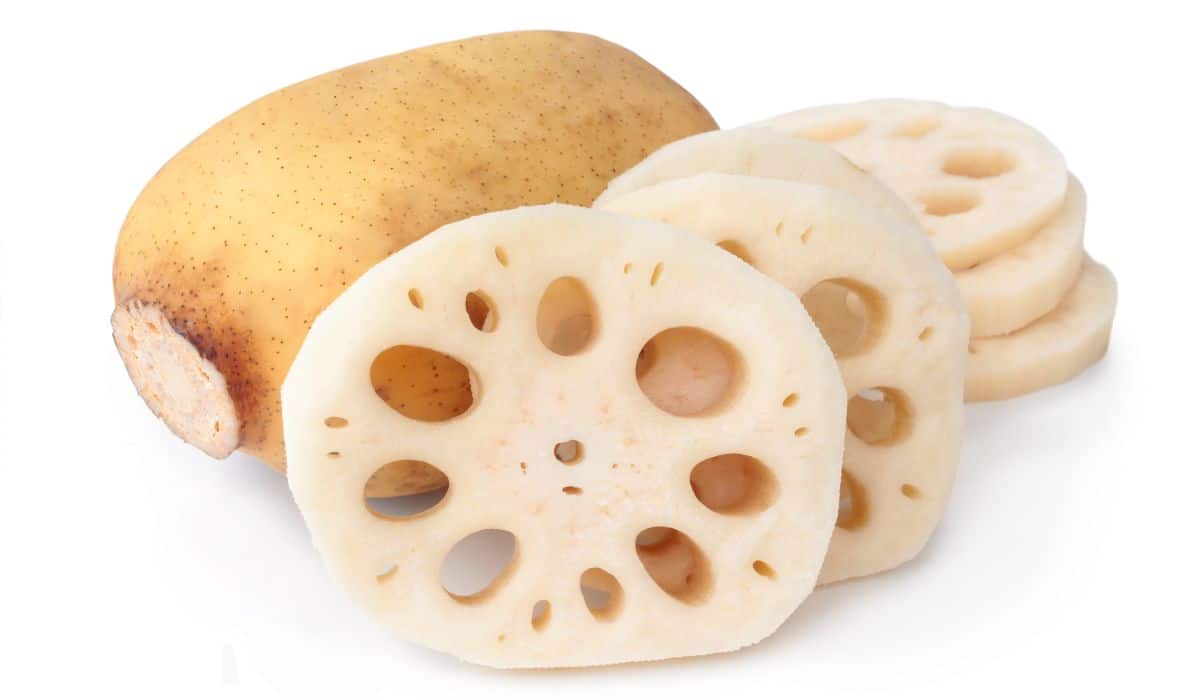
Origin and Growing Region: Lotus root, known as Renkon in Japan and Yeongeun in Korea, is native to Asia, including China and India. It is grown in various Asian countries, particularly in regions with freshwater ponds and lakes.
Description and Flavor: Lotus root is the edible rhizome (underground stem) of the lotus plant. It has a crisp, crunchy texture and a mildly sweet and nutty flavor. When sliced, it reveals a unique pattern of holes, making it visually appealing.
Lotus Root Uses in Asian Cuisine: Lotus Root is used in a variety of Asian dishes, including stir-fries, soups, and tempura. It is known for its appealing texture and ability to absorb flavors, making it a popular ingredient in recipes where a satisfying crunch is desired. In Japanese cuisine, it is used in sushi and tempura, while in Chinese cuisine, it is often used in stir-fries.
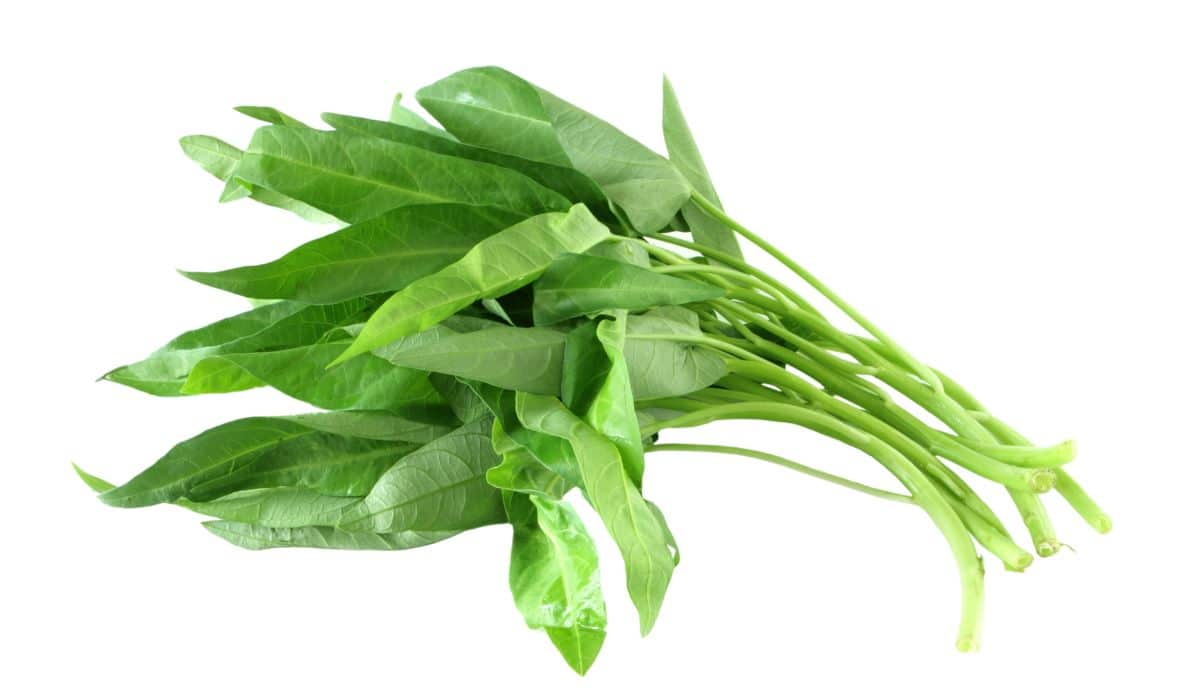
Origin and Growing Region: Morning Glory, also known as water spinach, originates from Southeast Asia, particularly in countries like China and Vietnam. It is a semi-aquatic plant that thrives in warm, tropical climates. Morning Glory is most often found along the banks of rivers and in swampy areas.
Description and Flavor: Morning Glory has long, succulent, hollow stems and bright green, arrow-shaped leaves. The plant is known for its rapid growth and can be quite invasive if not controlled. In terms of flavor, Morning Glory has a mild, slightly peppery taste with a hint of spinach. The younger leaves and stems are more tender and preferred in culinary applications.
Morning Glory Uses in Asian Cuisine: It’s commonly used in stir-fries, soups, and salads. Stir-frying with garlic and chili is a classic way to prepare it, creating a dish known as “Pad Pak Boong” in Thai cuisine. It’s known for its crunchy texture and the ability to absorb flavors from accompanying seasonings.
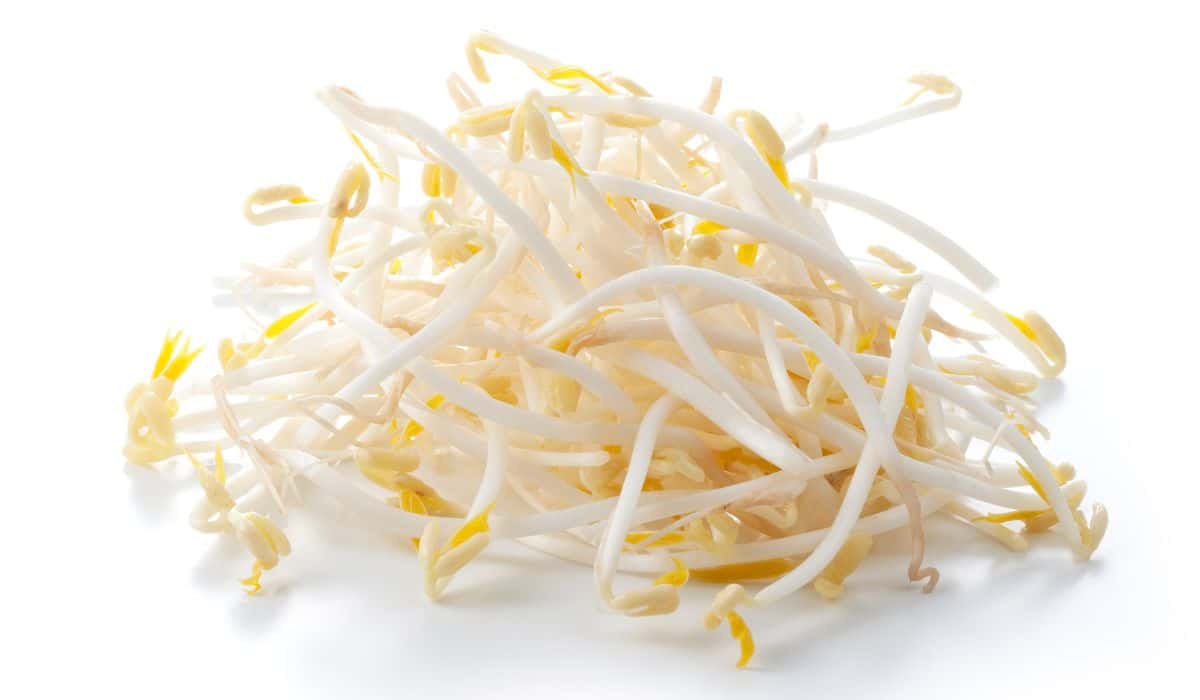
Origin and Growing Region: Mung bean sprouts are native to India and have been cultivated in the Indian subcontinent for thousands of years. They are now grown in many parts of Asia, including China, Southeast Asia, and the Korean Peninsula. Mung bean sprouts are easy to grow and are commonly produced at home or in commercial facilities.
Description and Flavor: Mung bean sprouts are the edible sprouts of the mung bean plant. They have crisp, pale yellowish-white stems and tiny green leaves. The flavor is mild and slightly nutty, with a refreshing, crunchy texture. They are often described as having a neutral, fresh taste, making them a versatile ingredient.
Mung Bean Uses in Asian Cuisine: They are a common ingredient in stir-fries, noodle dishes, spring rolls, mung bean soup, and salads. In Chinese cuisine, they are added to dishes like chow mein or served as a topping in soup. They are also essential in Korean dishes like bibimbap and as a garnish for Vietnamese Pho. Mung bean sprouts are crisp and add a fresh, textural contrast to various dishes.
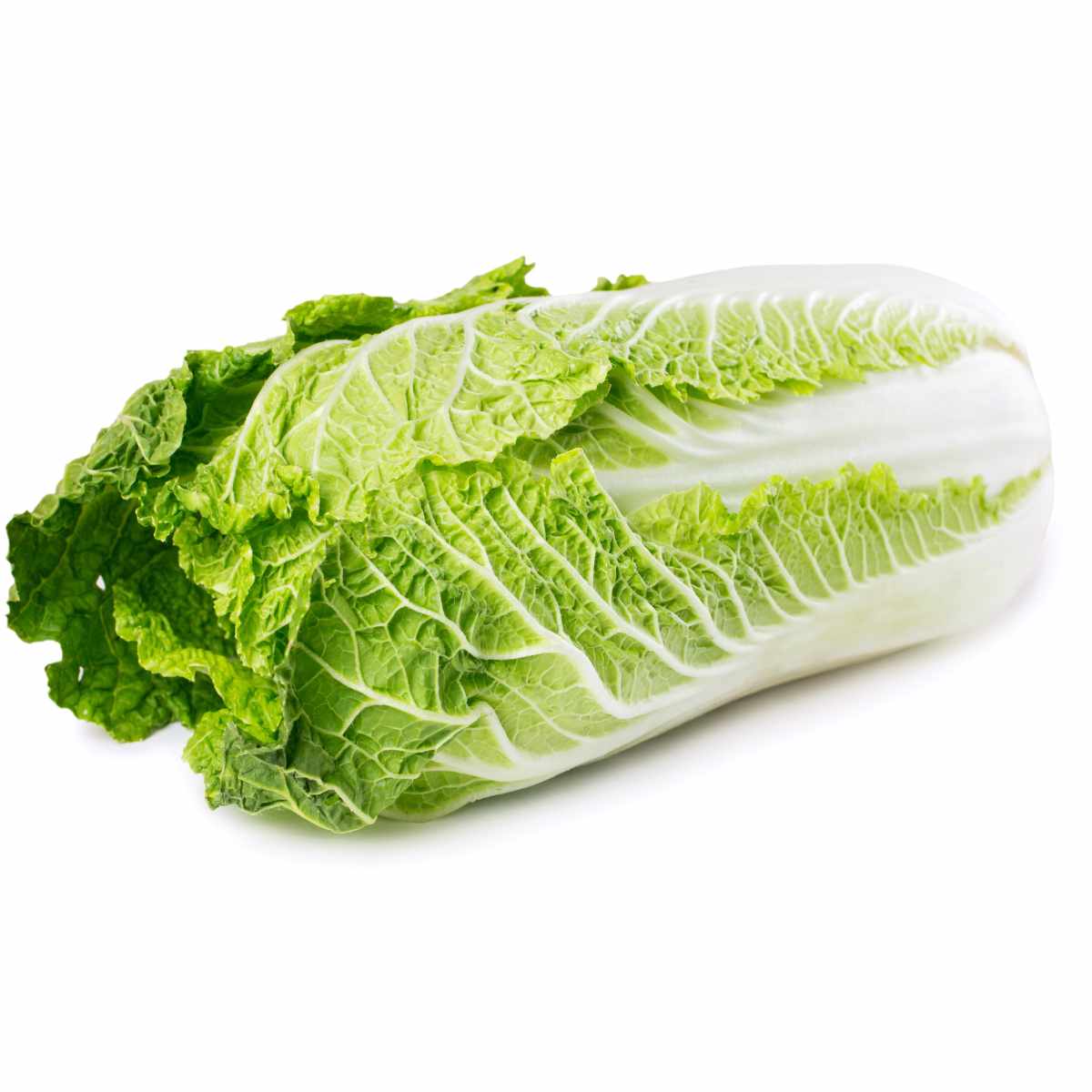
Origin and Growing Region: Napa cabbage, also known as Chinese cabbage, has its origins in China and has been cultivated there for centuries. It is now grown in various parts of Asia, including Korea and Japan. Napa cabbage prefers temperate climates and is well-suited to cool high-altitude regions.
Description and Flavor: Napa cabbage has pale green, elongated leaves with white, thick ribs. It has a mild, slightly sweet flavor and a crisp, crunchy texture. The outer leaves are often used in stir-fries, while the inner leaves are favored for making kimchi.
Napa Cabbage Uses in Asian Cuisine: In Korean cuisine, it’s a crucial ingredient in kimchi, a fermented side dish. In Chinese cooking, it’s used in dishes like hot pot, stir-fries, and dumplings. Napa cabbage can also be used in salads, soups, and stews. Its versatility makes it a popular choice for both fresh and cooked applications in Asian cooking.
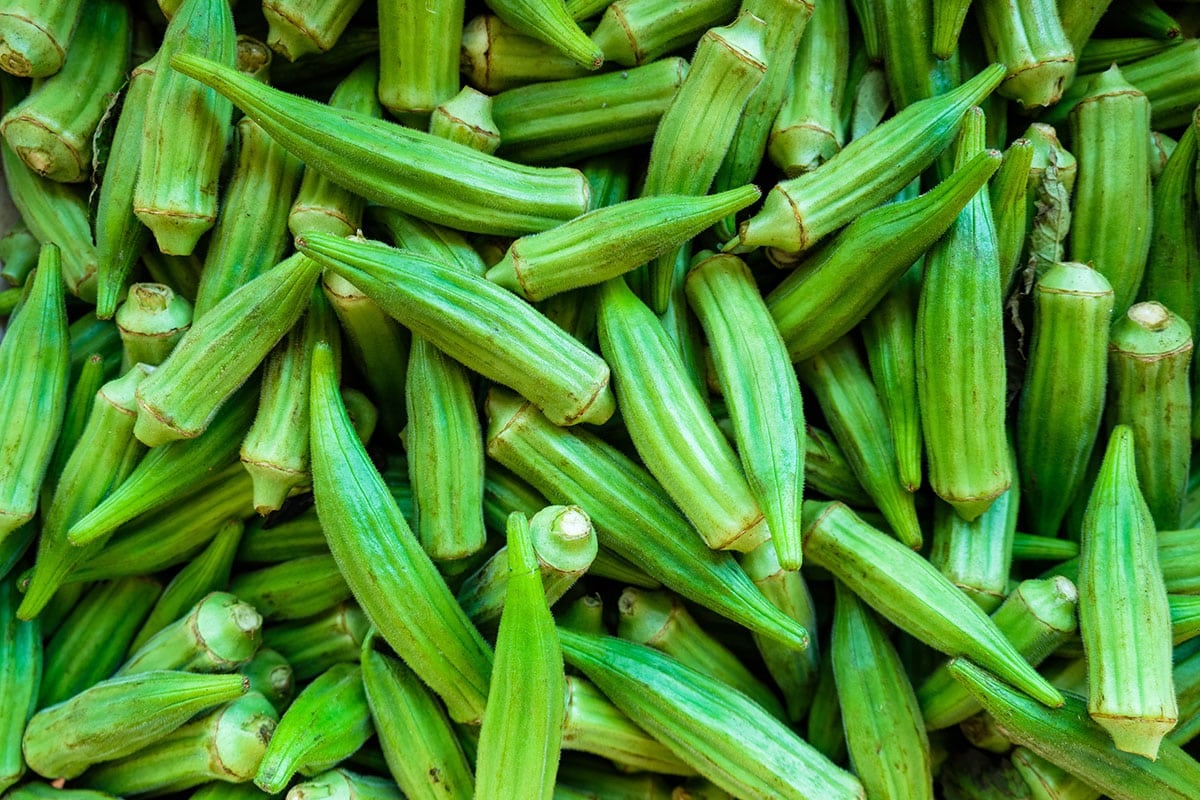
Origin and Growing Region: Okra likely originated in Africa and made its way to Asia via trade routes hundreds of years ago. It is now widely cultivated in tropical and subtropical regions of Asia, including India, the Middle East, and Southeast Asia.
Description and Flavor: Okra is a green, elongated vegetable with a unique, mucilaginous texture when cooked. Its flavor is mild and somewhat earthy, with a subtle hint of sweetness. The mucilage (slimy texture) can be polarizing as some people only think of okra as a slimy vegetable, but this is its superpower. It is useful for its thickening properties in many recipes.
Okra Uses in Asian Cuisine: It is used in curries, stir-fries, and soups. In Indian cuisine, it is a key component in popular dishes like bhindi masala and sambar. In the Philippines, it’s an ingredient in soups like sinigang. The mucilage is often used to thicken sauces and stews in these dishes. Of course, the ultimate use of okra is in gumbo, but we will save Creole cuisine for another day.
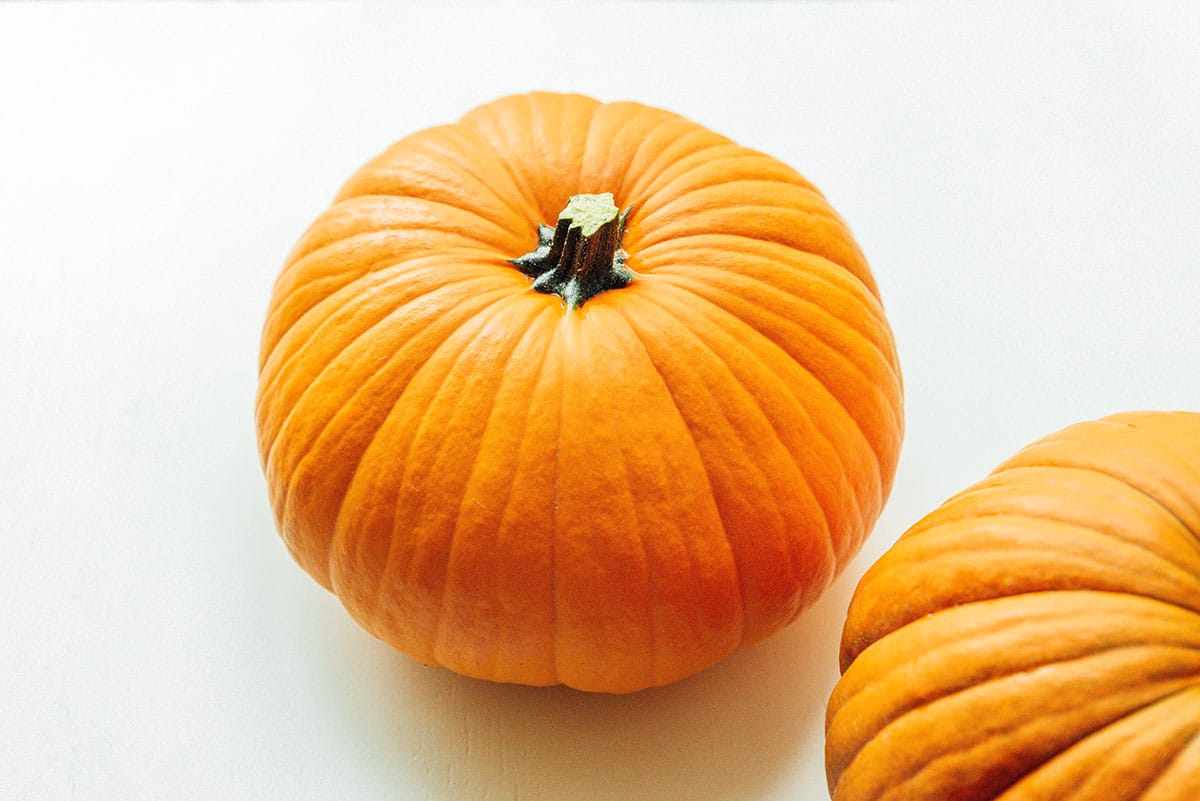
Origin and Growing Region: Pumpkins originated in North America, and have been cultivated for thousands of years. They have now spread to many parts of the world including Asia. In Asia, they are commonly grown in countries like India, China, and Japan.
Description and Flavor: Pumpkins are typically round or oblong with orange or yellow skin and a sweet, mildly nutty flavor. They come in various shapes and sizes. The flesh can be used in both savory and sweet dishes, and the seeds are often roasted as a snack.
Pumpkin Uses in Asian Cuisine: In Asian cuisine, pumpkin is used in a variety of dishes, such as curries, soups, and stir-fries. It’s a common ingredient in Japanese tempura and Chinese dim sum. Pumpkin is also used in sweets and desserts, like Chinese pumpkin pancakes and Thai pumpkin custard.
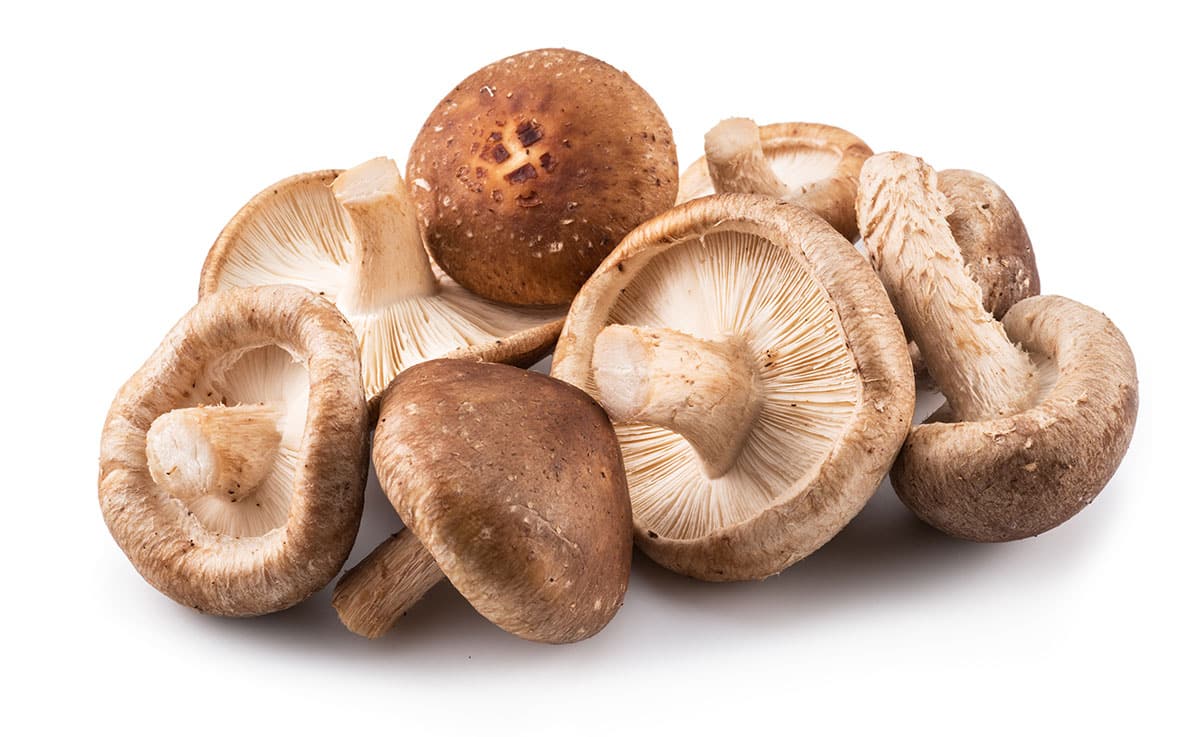
Origin and Growing Region: Shiitake mushrooms are native to East Asia, particularly China and Japan. They have been cultivated for centuries and are now grown worldwide.
Description and Flavor: Shiitake mushrooms have a distinct umbrella-shaped cap with a meaty texture and a rich, earthy flavor. They are often used in both fresh and dried forms. Dried shiitake mushrooms have an even more intense umami flavor.
Shiitake Uses in Asian Cuisine: Shiitake mushrooms are a staple in many Asian cuisines. They are used in stir-fries, soups, and dumplings. Dried shiitake mushrooms are commonly rehydrated and used in broths, imparting a deep umami flavor to dishes.
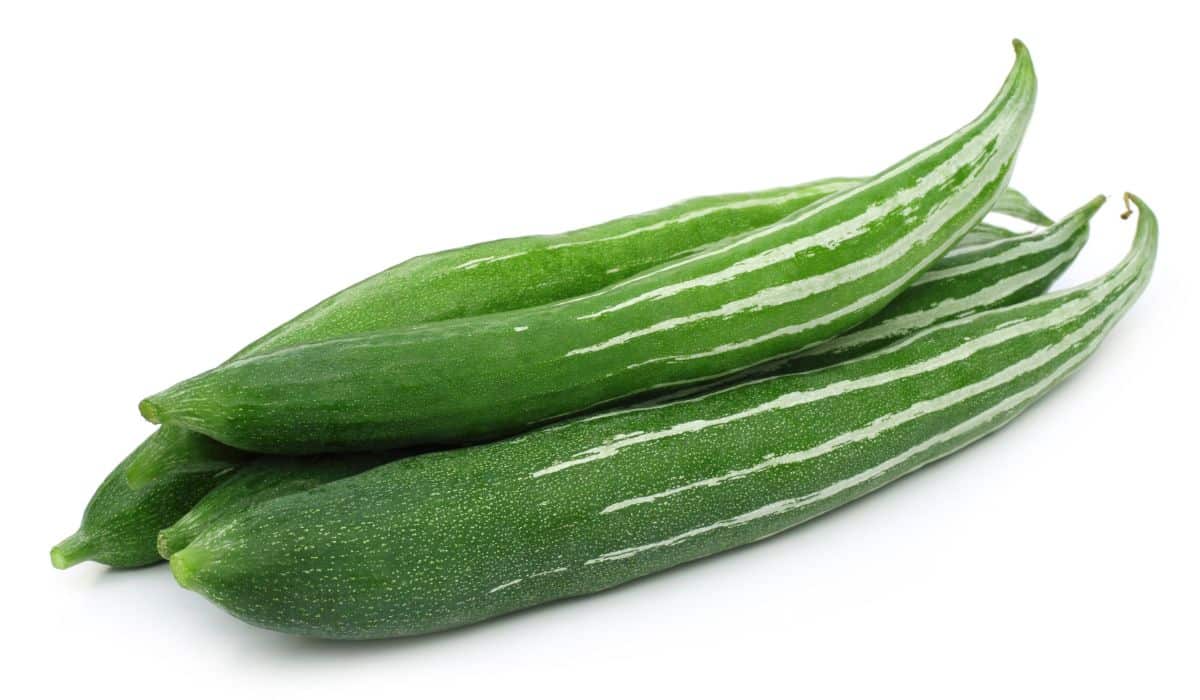
Origin and Growing Region: The snake gourd is believed to have originated in India, but is widely grown in tropical and subtropical regions of Asia, including countries like Thailand, Malaysia, and the Philippines.
Description and Flavor: The snake gourd gets its name from its long, slender, snake-like shape. It has a mild, slightly sweet flavor and a slightly crunchy texture. The skin is often ridged and needs to be peeled before cooking.
Snake Gourd Uses in Asian Cuisine: It is often used in curries and stir-fries. Its mild flavor makes it versatile, and it absorbs the flavors of the spices and seasonings it’s cooked with. It’s often paired with coconut milk in South Asian curries and with various sauces in Southeast Asian cuisine.
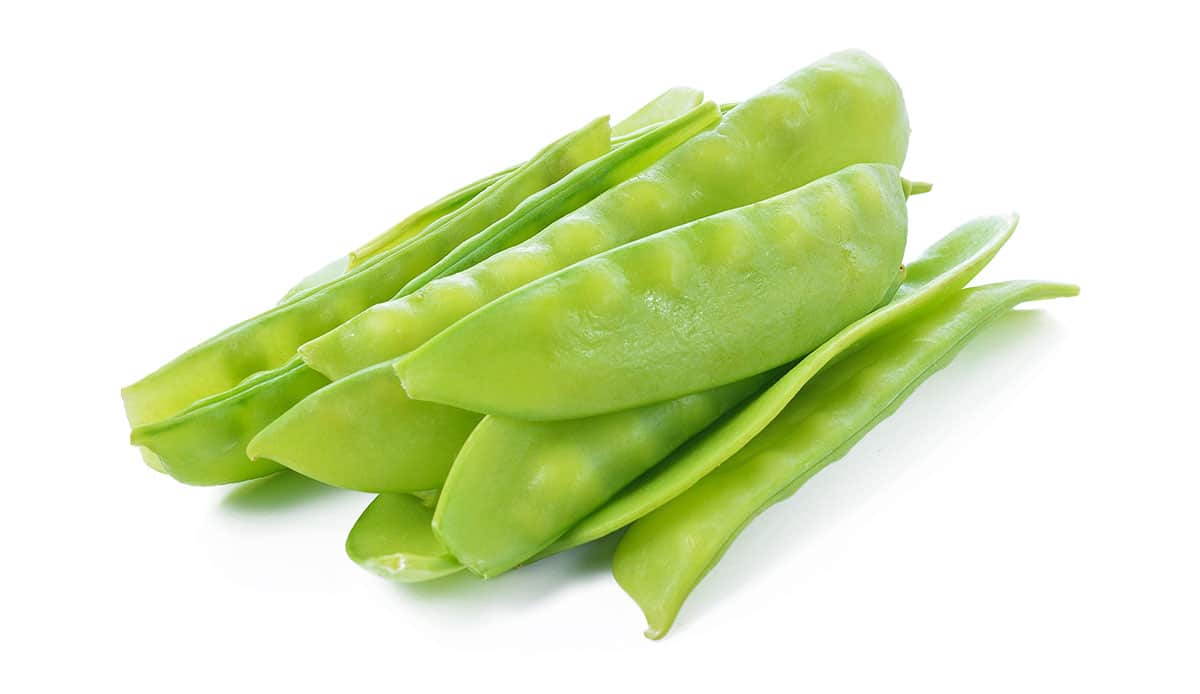
Origin and Growing Region: Snow peas are believed to have originated in East Asia. They are now widely grown in many parts of Asia including China and India.
Description and Flavor: Snow peas are flat, crisp, and edible podded peas with a slightly sweet and delicate flavor. They are often harvested when the peas inside are still immature and the pods are flat and tender.
Snow Pea Uses in Asian Cuisine: They are a common ingredient in stir-fries and salads, and are often used for their crunchy texture and sweet flavor. In Chinese cuisine, they are frequently used in dishes like chicken with snow peas.
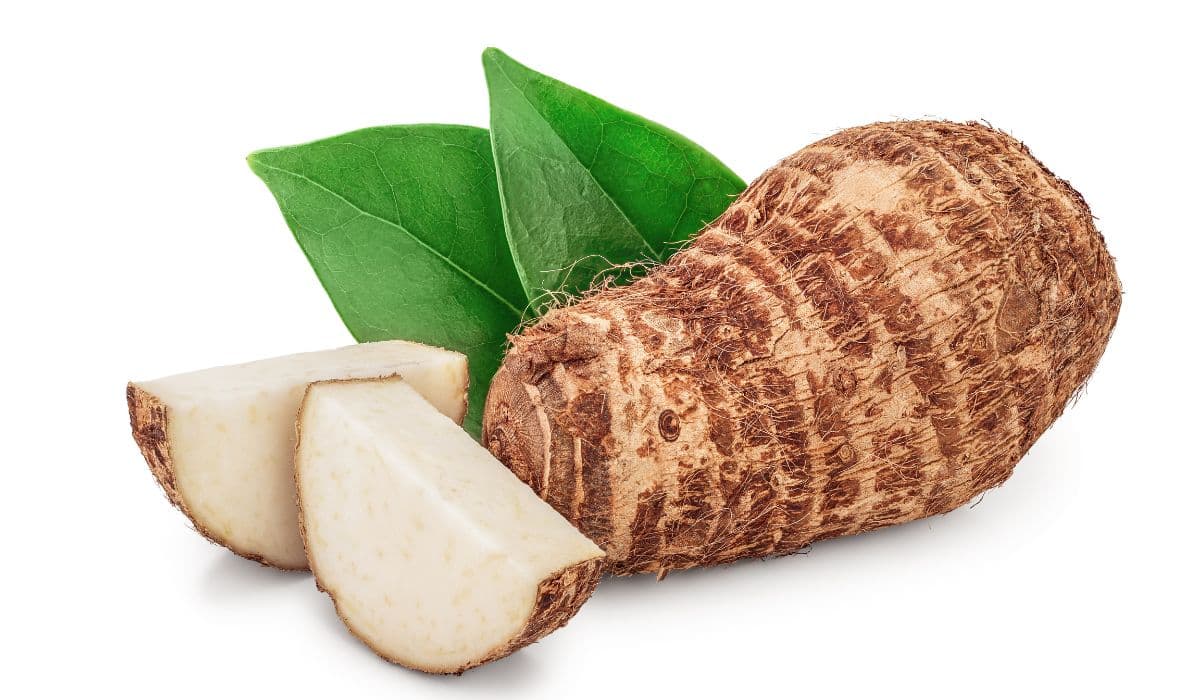
Origin and Growing Region: Taro is believed to have originated in Southeast Asia and has been cultivated there for thousands of years. Today it is grown in various countries across Asia, including India, China, and the Pacific Islands.
Description and Flavor: Taro root is a starchy, underground tuber with rough, hairy skin. The flesh can be white, purple, or pink and has a nutty, earthy flavor when cooked. It is often used in both sweet and savory dishes.
Taro Root Uses in Asian Cuisine: It is used in stews, curries, and as a filling for dumplings. In sweet preparations, it’s used in desserts like taro bubble tea, taro cakes, and taro-flavored ice cream. In some Asian cultures, taro is considered a staple crop.
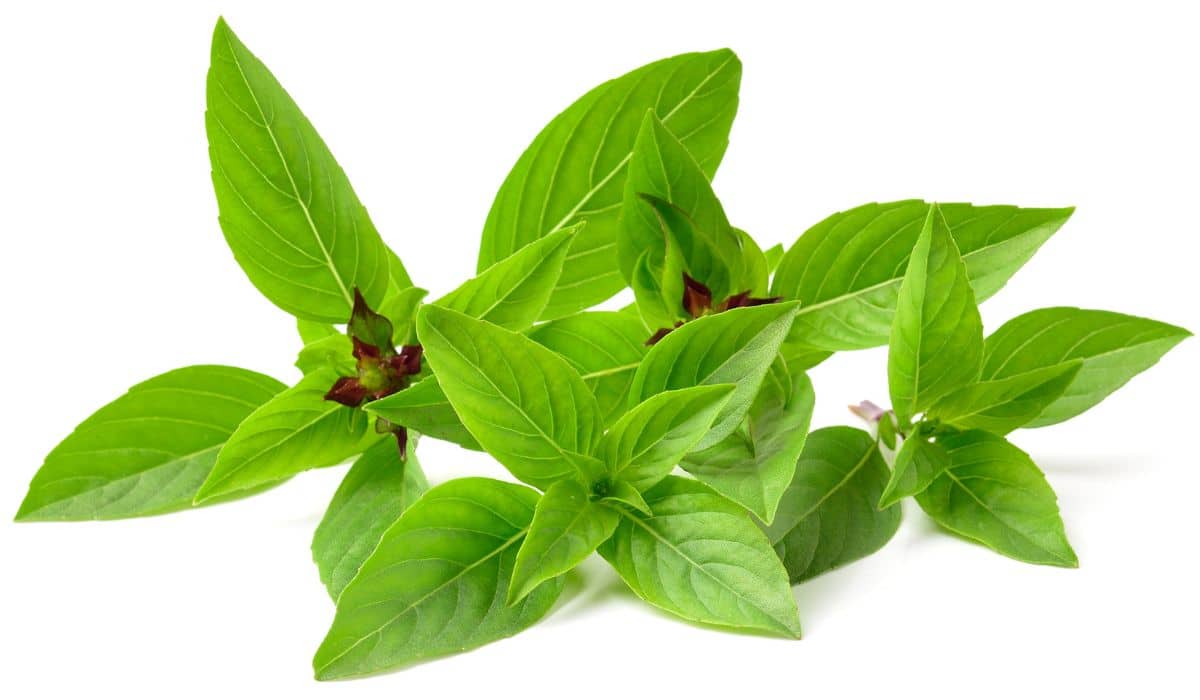
Origin and Growing Region: Thai basil, also known as holy basil, is native to Southeast Asia, particularly Thailand and Vietnam. It is widely cultivated in many Asian countries.
Description and Flavor: Thai basil has distinctive purple stems and green leaves with a spicy, licorice-like flavor and a hint of clove. It has a more robust and peppery flavor compared to sweet basil.
Thai Basil Uses in Asian Cuisine: Thai basil is a key herb in Southeast Asian cuisine, especially in Thai, Vietnamese, and Laotian dishes. It is used in various stir-fries, curries, soups, and noodle dishes. Thai basil is an essential ingredient in the famous Thai dish “Pad Krapow,” which features minced meat stir-fried with Thai basil and chili. It adds a unique, aromatic dimension to such dishes.
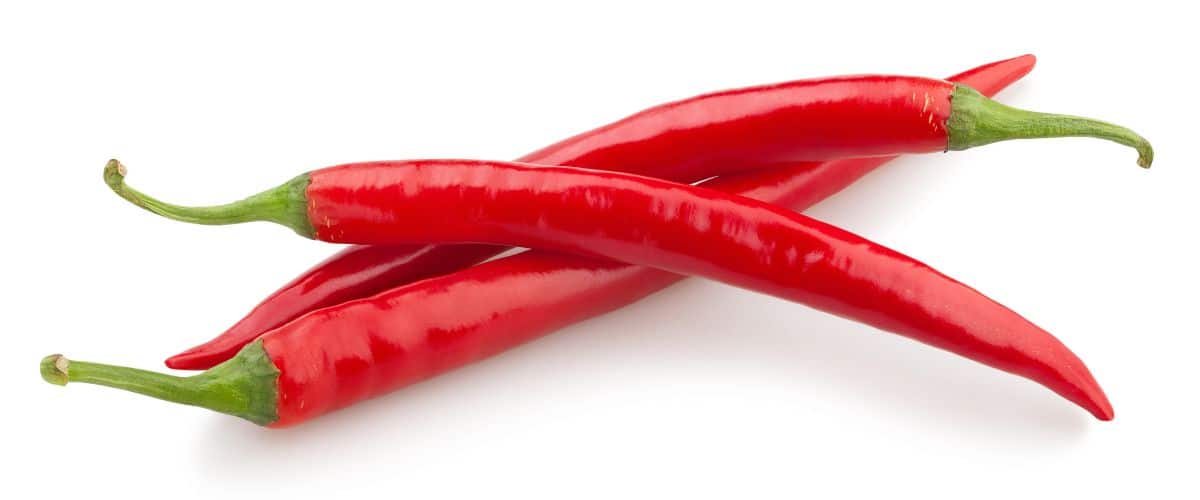
Origin and Growing Region: Peppers are native to Central and South America, but after Columbus brought them back to Europe they spread quickly around the world where new variants were developed. Thai chili peppers, also known as Bird’s Eye Peppers, are native to South Asia but are widely cultivated throughout Southeast Asia. They are a staple in Thai cuisine and are also found in the cuisines of other neighboring countries.
Description and Flavor: Thai chili peppers are small, slender, and typically green or red when ripe. They pack a fiery punch with a Scoville Heat Unit rating ranging from 50,000 to 100,000, making them hotter than Habaneros by comparison. They have a bright, intense, and slightly fruity flavor.
Thai Chili Pepper Uses in Asian Cuisine: Thai chili peppers are used to add heat and flavor to a variety of dishes in Thai cuisine. They are a key ingredient in popular dishes like Thai green and red curries, and they’re also used to make spicy dipping sauces. They add a fiery kick to soups, stir-fries, and salads, giving the food a distinct spicy and aromatic profile.
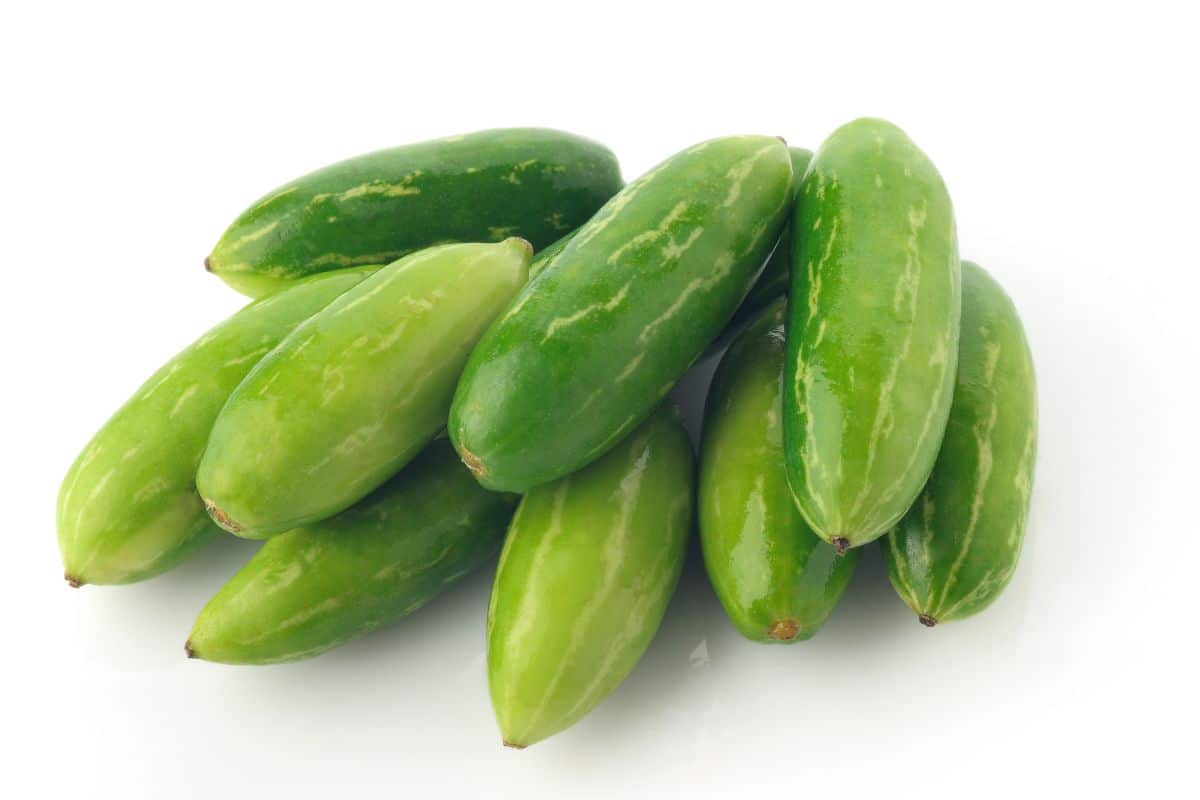
Origin and Growing Region: Tindora, also known as ivy gourd or “kundru” in some regions, is native to Asia and is commonly found in tropical and subtropical climates. It is widely cultivated in India, Southeast Asia, and other parts of the continent.
Description and Flavor: Tindora is a small, green, oblong vegetable with ridges, resembling a miniature cucumber. It has a mild, slightly tangy flavor with a crunchy texture. The skin is often left on when cooked.
Ivy Gourd Uses in Asian Cuisine: Tindora is commonly used in Indian and Southeast Asian dishes. It is used in curries, stir-fries, and pickles. Tindora absorbs flavors well, making it a popular choice for spiced dishes.
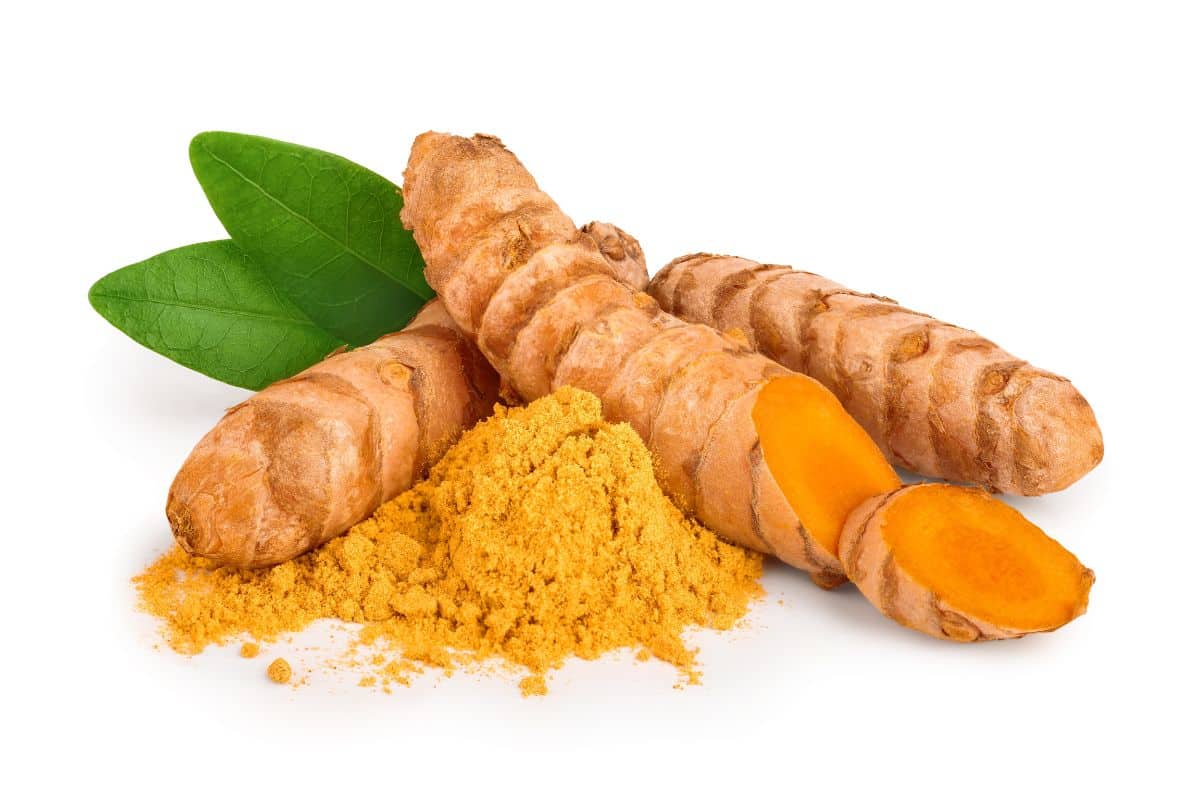
Origin and Growing Region: Turmeric is native to South Asia, specifically India. It is cultivated in many tropical and subtropical regions, including Southeast Asia.
Description and Flavor: Turmeric is known for its bright yellow-orange color. The flavor is earthy and slightly bitter, with a warm and peppery aroma.
Turmeric Uses in Asian Cuisine: Turmeric is primarily used in its powdered form in cooking, and is a key ingredient in many Asian cuisines, particularly Indian, Thai, and Indonesian. It is used to season and color dishes, such as curries, rice, and soups. Turmeric also offers health benefits and is commonly used in traditional medicine for its anti-inflammatory properties. If you haven’t cooked with it before, dip a toe in the pool with this Thai Coconut Noodle Soup.
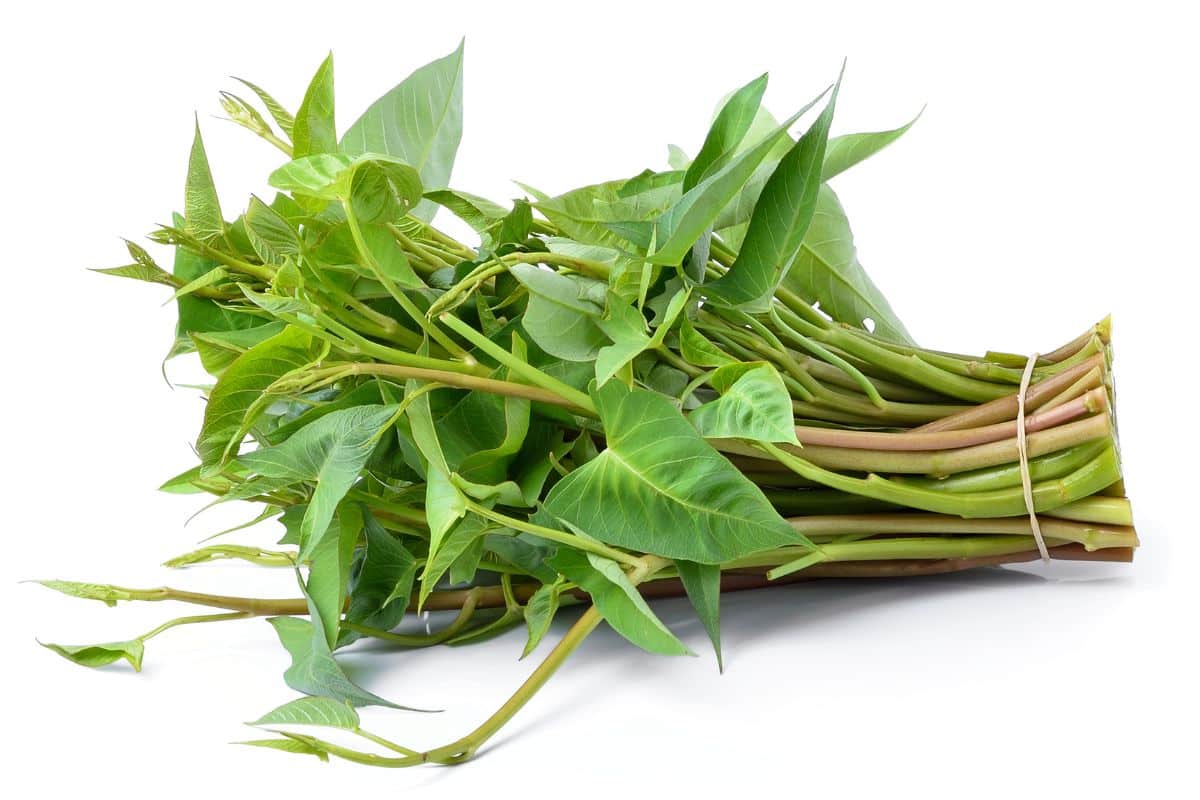
Origin and Growing Region: Vietnamese water spinach, known as “rau muống,” is native to Southeast Asia and is widely grown in Vietnam, Thailand, and other countries in the region. It thrives in aquatic environments.
Description and Flavor: Vietnamese water spinach has long, hollow stems and green, arrow-shaped leaves. It has a mild, slightly earthy flavor and a tender texture. It is often used as a leafy green vegetable.
Water Spinach Uses in Asian Cuisine: Rau muống is a common ingredient in Vietnamese and Southeast Asian cuisine. It is used in stir-fries, soups, and salads. The vegetable is versatile and pairs well with various sauces and seasonings. It’s known for its crisp, refreshing taste and its ability to absorb flavors from other ingredients in dishes.
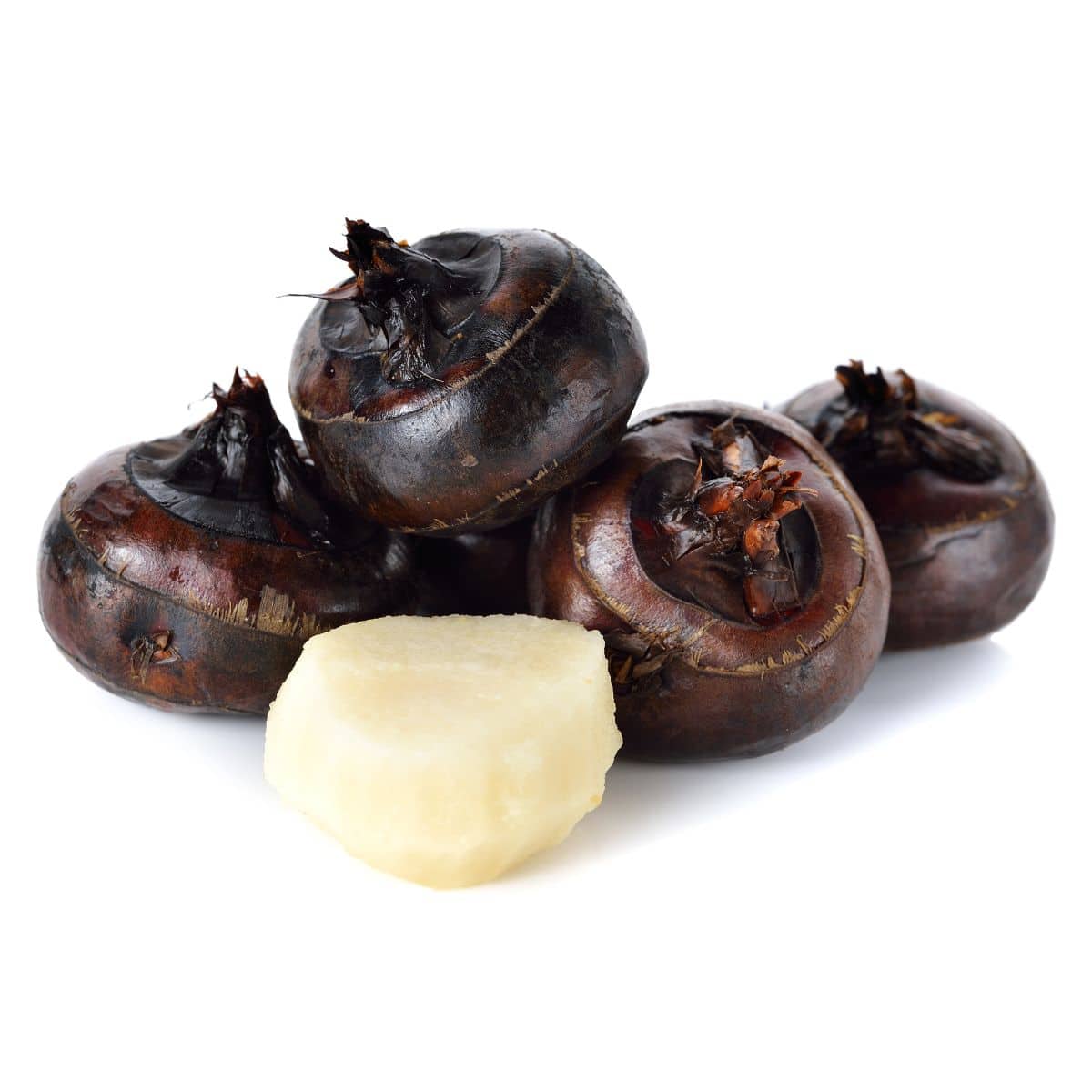
Origin and Growing Region: Water chestnuts are not actual nuts but rather aquatic vegetables. They originate from Southeast Asia, particularly China, where they have been cultivated for thousands of years. These vegetables grow in waterlogged fields or marshes, and the ideal climate for their cultivation is a warm, tropical one.
Description and Flavor: Water chestnuts are small, bulbous vegetables with a distinct crunch and mild, slightly sweet flavor. They have thin, papery brown skin and white, crisp flesh inside. The texture is often compared to that of apples or jicama. They are typically eaten raw or lightly cooked to maintain their crisp texture.
Water Chestnut Uses in Asian Cuisine: They are commonly used in Chinese, Thai, and Vietnamese cuisine. They are often used in stir-fries, soups, and salads to add a refreshing crunch. Water chestnuts are also popular in dim sum dishes like water chestnut dumplings. In Chinese cooking, they are often paired with bamboo shoots and other vegetables for added texture and flavor. The water chestnut’s ability to retain its crispness even after cooking makes it a valuable ingredient in many Asian dishes.
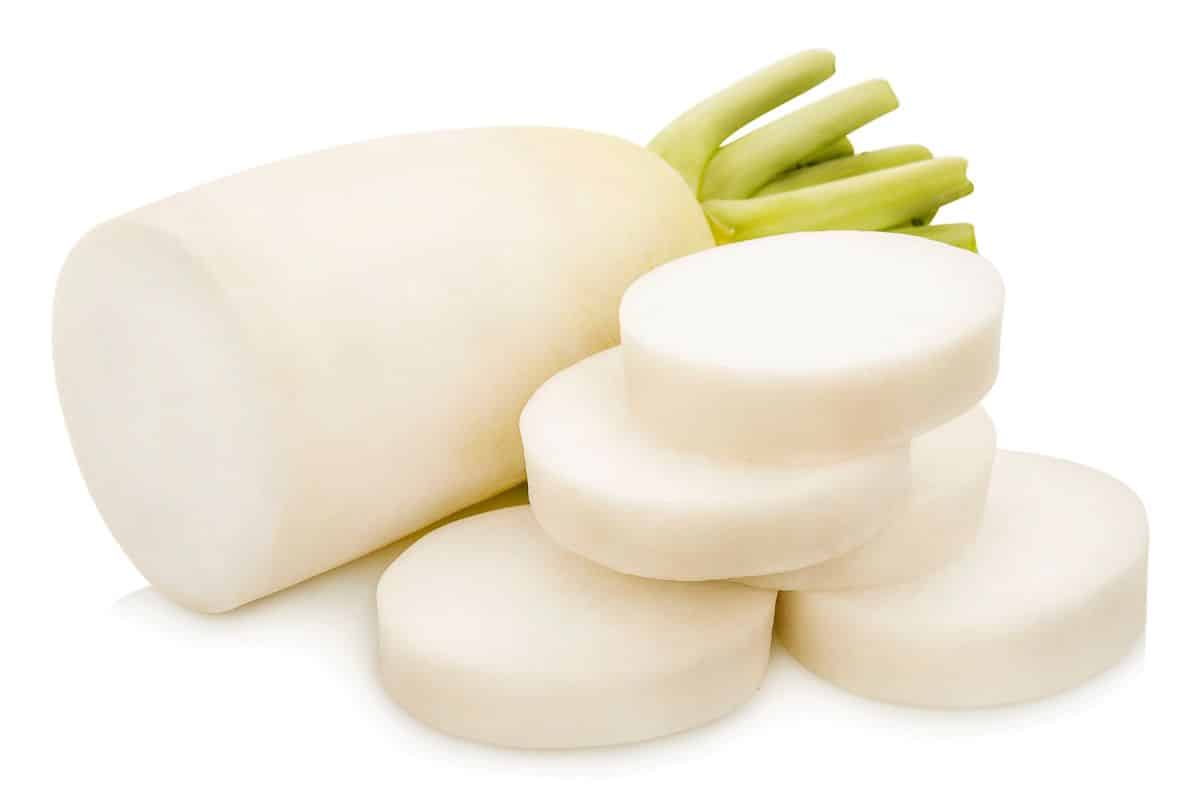
Origin and Growing Region: White radish, or “mu” in Japanese and “lobhia” in Hindi, is believed to have originated in the Mediterranean region and was introduced to Asia around 2,000 years ago. It is now widely cultivated across East and Southeast Asia. White radishes grow well in temperate climates and are available year-round in many Asian countries.
Description and Flavor: White radish is a long, cylindrical root vegetable with white skin and crisp, white flesh. The taste is mildly spicy and slightly peppery, akin to the more common red radish but milder. Some varieties can be quite large, reaching up to a foot in length.
White Radish Uses in Asian Cuisine: White radish can be eaten raw, pickled, or cooked. In Japanese cuisine, it is often used to make pickles, or it can be grated and used as a garnish or in salads. In Korean cuisine, it’s a key ingredient in dishes like kimchi. In Chinese cooking, white radish is added to soups, stews, and stir-fries. It is also used to make radish cakes, a popular dish during Chinese New Year.
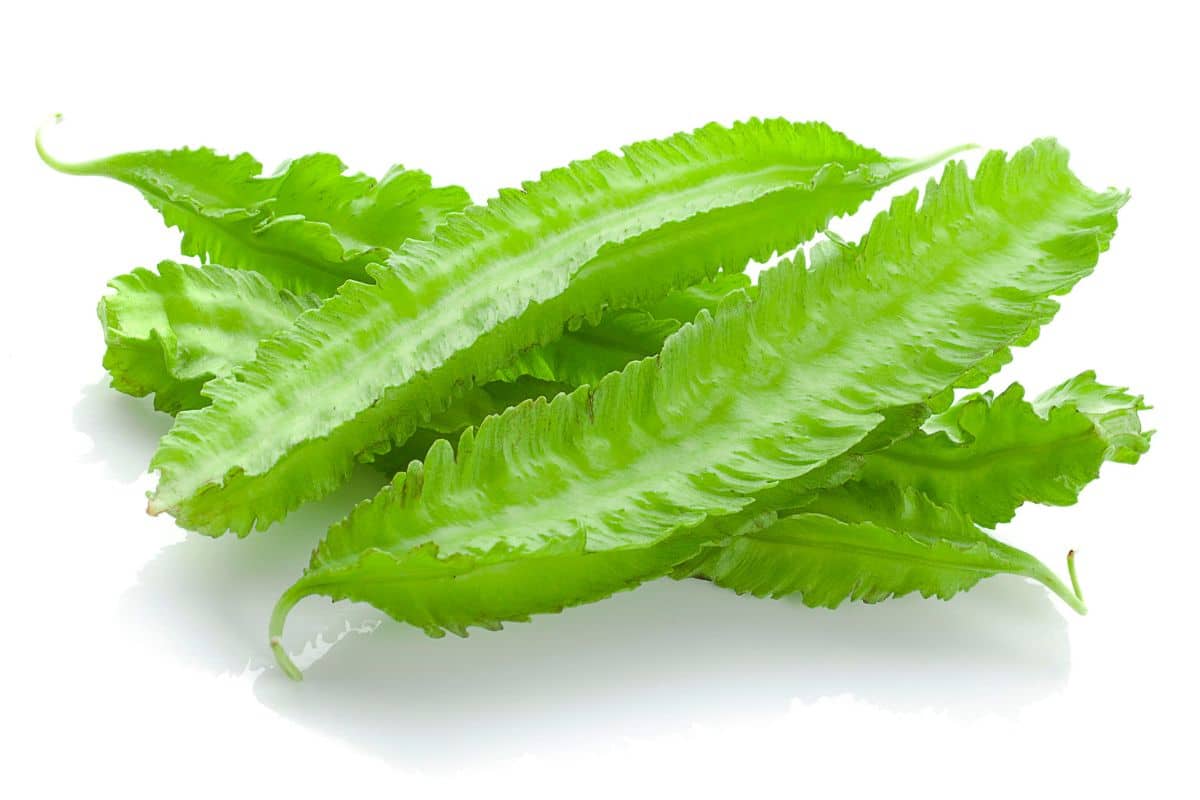
Origin and Growing Region: Winged beans are native to New Guinea, but are commonly grown throughout tropical regions in Asia, Africa, and the Caribbean. They thrive in warm and humid climates and are especially popular in Southeast Asian countries like Indonesia, Malaysia, and the Philippines.
Description and Flavor: The winged bean plant is unique due to its distinctive four-angled or winged pods. These pods can grow up to several inches in length and are covered in small bristles. The young pods and leaves are edible and have a crisp texture. The flavor of winged beans is often described as a cross between green beans and snow peas, with a subtle nutty undertone.
Winged Bean Uses in Asian Cuisine: They can be eaten raw in salads or sliced and added to stir-fries. The bean’s crunchy texture makes them a popular choice in many Asian salads. Additionally, they are often incorporated into curries and soups in countries like Malaysia and Indonesia. In Filipino cuisine, they are used in adobo and sinigang dishes. The leaves and flowers of the winged bean plant are also used in cooking, adding a slightly peppery note to dishes.
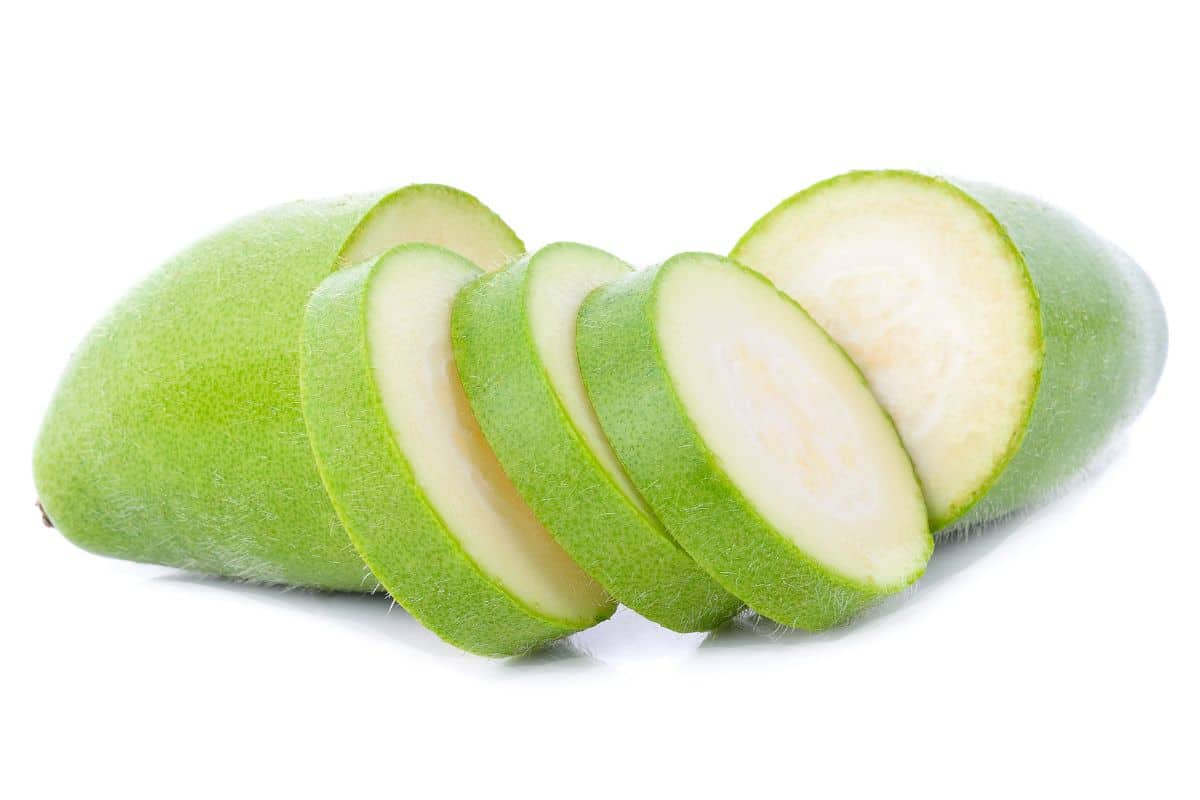
Origin and Growing Region: Winter melon, also known as ash gourd or wax gourd, is believed to have originated in Southeast Asia, and has been cultivated in China and India for over 2,000 years. It’s now grown across Asia, including China, India, Vietnam, and the Philippines.
Description and Flavor: Winter melon is a large, oblong fruit with a waxy green or white rind. Its flesh is pale green and has a mild, slightly sweet flavor. The fruit can grow to a substantial size and has a neutral taste, making it an excellent canvas for absorbing the flavors of the recipes it’s cooked in.
Winter Melon Uses in Asian Cuisine: It is often added to soups, stews, and curries in Chinese and Indian cuisine. In Chinese cooking, it is used in winter melon soup and dim sum. In Indian cuisine, it’s used in curries and dals. Additionally, it is candied and used as a filling in traditional Asian desserts. Due to its ability to absorb the flavors of the ingredients it’s cooked with, winter melon is a popular addition to many recipes, enhancing the overall taste and texture.
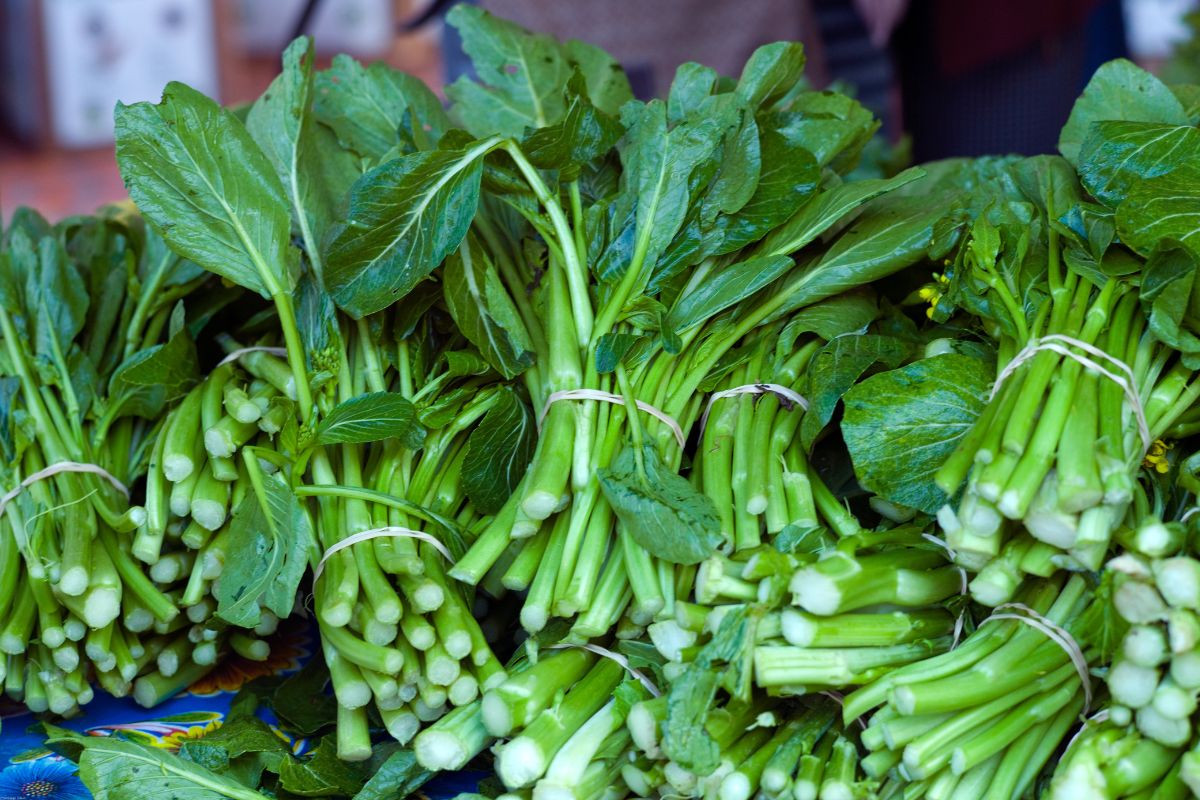
Origin and Growing Region: Yu Choy Sum, also known as Chinese flowering cabbage, has its origins in East Asia, particularly China. It is widely grown and consumed in various East and Southeast Asian countries, including China, Taiwan, Malaysia, and Singapore.
Description and Flavor: Yu Choy Sum is a leafy green vegetable with long, slender stems and dark green leaves. It is a member of the Brassica family and shares some similarities with bok choy. The flavor of Yu Choy Sum is mild and slightly peppery, with a subtle bitterness, making it a versatile vegetable that complements various flavors in Asian dishes.
Yu Choy Sum Uses in Asian Cuisine: Yu Choy Sum is often stir-fried with garlic and oyster sauce, added to noodle dishes, or incorporated into hot pots and soups. The vegetable retains its crisp texture when cooked briefly, providing a delightful contrast to other ingredients. Its versatility and nutritional value make it a staple in many Asian cuisines, and it’s enjoyed for its taste and texture in a wide range of dishes.